You Gotta See How Amritsar’s City Spaces Come Alive – It’s Magic
Walking through Amritsar feels like stepping into a living postcard where every corner buzzes with energy. The city doesn’t just host culture—it breathes it. From the sacred Golden Temple to bustling bazaars and quiet neighborhood lanes, Amritsar’s urban spaces blend spirituality, history, and daily life in ways that surprise and inspire. I was blown away by how open, welcoming, and vibrantly organized it all felt. This is more than a destination—it’s an experience shaped by space, people, and purpose.
The Heartbeat of the City: The Golden Temple Complex
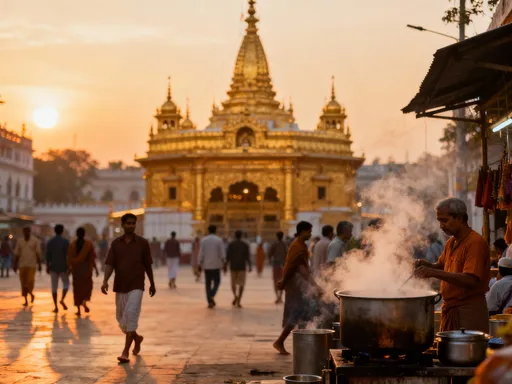
The Golden Temple, or Harmandir Sahib, is more than the spiritual nucleus of Sikhism—it is a profound example of human-centered urban design. Unlike many religious sites that feel removed or exclusive, this sanctuary opens its arms to all, regardless of background or belief. The approach to the temple begins with a wide marble causeway, gently descending toward the sacred pool, inviting a slow, meditative pace. There are no gates to block entry, no tolls to pay—only the soft chime of bells and the murmur of prayers echoing across the water. This deliberate openness reflects a core principle of Sikh philosophy: equality in all things. The complex operates on a pedestrian-first model, with vehicles prohibited in the immediate vicinity. Visitors leave their shoes at the entrance, wash their feet in the shallow pools, and proceed barefoot across cool stone pathways. This simple act transforms the journey into a physical and emotional transition from the outside world into a shared spiritual space.
What makes the Golden Temple truly exceptional is not just its golden dome or mirrored interiors, but the way it functions as a living community. At the heart of the complex lies the langar, the largest free community kitchen in the world. Every day, over 100,000 meals are served—sometimes more during festivals—with volunteers from all walks of life preparing, serving, and cleaning. This is not charity; it is seva, selfless service, practiced as a sacred duty. The dining hall stretches across vast open halls, with rows of floor seating that accommodate people side by side, regardless of status. The scale is staggering, yet the atmosphere remains calm, orderly, and deeply human. Families, solo travelers, pilgrims, and curious visitors break bread together, creating a powerful sense of belonging. The design supports this: wide corridors, shaded resting areas, and clear signage in multiple languages ensure that even first-time visitors feel oriented and welcome.
The layout of the complex is circular, symbolizing unity and continuity. Pilgrims walk clockwise around the sarovar, the holy tank, absorbing the reflections of the temple in the still water. Along the marble pathway, small niches provide space for quiet prayer or rest. There are no loudspeakers blaring announcements, yet information flows naturally through volunteers and visual cues. The absence of commercial vendors inside the main complex preserves its sanctity, though nearby stalls outside sell only essential items like scarves and bottled water at reasonable prices. Security is present but unobtrusive, focused on safety without creating a sense of surveillance. The result is a space that feels both grand and intimate, sacred and accessible. It is a rare urban achievement: a place of deep reverence that also functions seamlessly for millions of visitors each year, proving that spiritual values can shape public infrastructure in meaningful, sustainable ways.
Old City Streets: Where History Walks Beside You
Just beyond the Golden Temple’s outer walls, the old city of Amritsar unfolds in a tangle of narrow, winding lanes that pulse with life. These streets, some barely wide enough for two people to pass, are not relics of the past—they are fully lived-in, dynamic public spaces where history and modernity coexist. Walking through them is an immersive sensory experience: the scent of cumin and cardamom drifts from roadside stalls, the clang of metalworkers shaping brass utensils echoes in the distance, and vibrant bolts of fabric drape from shopfronts like banners of celebration. Turbans in deep maroon, royal blue, and saffron yellow move steadily through the flow of pedestrians, each a quiet testament to cultural pride and identity. There are no traffic lights here, no honking cars—just the steady rhythm of foot traffic, guided by unspoken rules and mutual respect.
What stands out in these lanes is the absence of chaos despite the density. Shops spill slightly onto the sidewalks—stacks of juttis (traditional shoes), pyramids of spices, trays of warm jalebis glistening with syrup—but the pathways remain passable. This order emerges not from strict enforcement, but from a deep-rooted sense of community stewardship. Shopkeepers sweep their fronts each morning, neighbors greet one another by name, and children dart between stalls with the freedom that comes from being known and watched over. The architecture itself supports this balance: buildings rise two or three stories, their balconies and overhangs providing natural shade. Small shrines and water dispensers appear at intersections, offering moments of pause and hydration. Even in the heat of summer, the narrowness of the lanes creates micro-shaded corridors that make walking tolerable.
Street food is not an afterthought here—it is central to the urban rhythm. A morning walk might lead to a steaming cup of masala chai poured from a brass kettle, while evening brings sizzling parathas stuffed with spiced potatoes and served with tangy pickles. These aren’t isolated vendors but part of a network of family-run stalls that have operated for generations. Customers sit on low stools or stand in clusters, eating with their hands, laughing, sharing stories. The food is affordable, hygienic, and prepared in full view, reinforcing trust and transparency. These informal gathering spots function as de facto public squares, fostering connection without the need for formal design. The city doesn’t rely on grand plazas to create social life; it grows organically in the in-between spaces, nurtured by routine, respect, and shared purpose.
Marketplaces as Social Hubs: From Guru Bazaar to Hall Bazaar
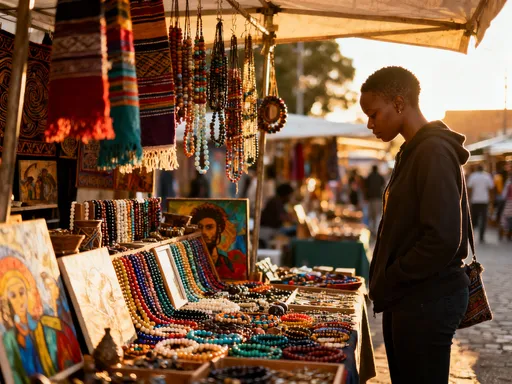
Amritsar’s markets are not merely places to buy goods—they are vital arteries of social and economic life. Guru Bazaar, stretching from the temple precincts toward the old city center, is a continuous strip of activity where commerce and community intertwine. Here, you’ll find everything from religious artifacts and ceremonial cloth to handcrafted jewelry and embroidered textiles. Unlike modern shopping malls that isolate consumers in climate-controlled silence, these bazaars thrive on interaction. Bargaining is gentle, almost ritualistic, a dance of politeness rather than aggression. Shopkeepers offer seats, serve tea, and inquire after your family before discussing prices. This personal touch transforms transactions into relationships, reinforcing the idea that markets are not just economic zones but social ecosystems.
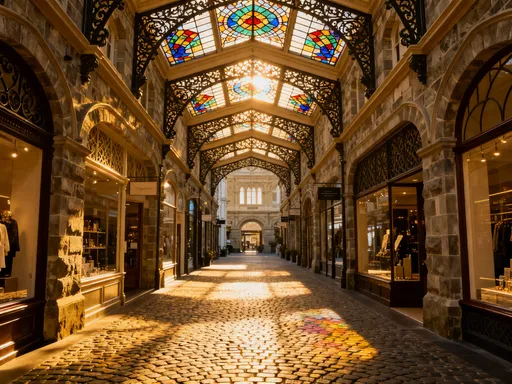
Hall Bazaar, one of the oldest and busiest markets in the city, operates on a similar principle. Its covered walkways protect shoppers from sun and rain, while high ceilings allow air to circulate freely. The layout follows a grid-like pattern, making navigation intuitive even for newcomers. Vendors are organized by trade—textiles in one section, electronics in another, footwear and leather goods in a third—creating zones of specialization that enhance efficiency. Yet, there is no rigid segregation; cross-selling and recommendations between neighboring shops are common. A woman buying fabric might be directed to a tailor two lanes over, or a tourist seeking souvenirs might be invited to view a private collection of vintage postcards. This networked economy relies on trust, reputation, and reciprocity, qualities that cannot be replicated in impersonal retail environments.
What makes these markets truly functional is their pedestrian-first design. Wide footpaths, minimal vehicle access, and strategically placed resting benches support extended visits. Shade structures—canvas awnings, metal canopies, and overhanging buildings—create a rhythm of light and shadow that makes walking pleasant even during midday. Street lighting, though modest, ensures safety after dusk, allowing the bazaars to remain active into the evening. Women, children, and elderly shoppers move freely, a sign of the city’s inclusive public realm. The markets also serve as employment hubs, supporting thousands of families through small-scale trade. Artisans, weavers, spice blenders, and food preparers all contribute to a decentralized economy that values skill and heritage. In a world where global chains homogenize urban experience, Amritsar’s bazaars stand as a reminder that local commerce, when rooted in community, can be both resilient and deeply human.
Green Spaces & Public Parks: Breathing Room in the Urban Fabric
In a city as densely populated as Amritsar, green spaces serve as essential lungs, offering respite from the constant hum of activity. Company Bagh, one of the oldest public parks in the city, exemplifies how urban planning can prioritize well-being. Laid out during the British colonial era, the park has been thoughtfully maintained and adapted for contemporary use. Tree-lined avenues, manicured lawns, and flowerbeds bursting with seasonal blooms create a tranquil atmosphere. Benches are arranged in clusters, encouraging conversation, while open fields host morning yoga sessions, children’s games, and casual cricket matches. The park is especially popular at dawn and dusk, when families gather to walk, jog, or simply sit and watch the world slow down. Unlike many urban parks that feel neglected or unsafe, Company Bagh radiates care and regular use, a sign of civic pride and ongoing maintenance.
Jallianwala Bagh, though primarily a memorial site, also functions as a public garden with quiet pathways and shaded seating. The historical weight of the 1919 massacre is acknowledged with dignity—plaques, a central flame, and preserved bullet marks serve as solemn reminders—yet the space is not frozen in sorrow. Parents bring children to play on the grass, students read under trees, and couples walk hand in hand along the periphery. This duality—of remembrance and recreation—is handled with sensitivity. The design allows visitors to engage with history on their own terms: some pause for reflection, others pass through without stopping, and many use the space simply as a shortcut or resting point. The integration of memory into daily life prevents the site from becoming isolated or morbid; instead, it becomes part of the city’s living narrative.
Other smaller green areas, such as Durgiana Temple Garden and various neighborhood parks, further distribute recreational opportunities across the city. These spaces are typically modest in size but high in usability. They feature durable seating, drinking water fountains, and basic playground equipment. Tree cover is prioritized, with native species like neem, peepal, and banyan providing dense shade and improving air quality. Accessibility is generally good, with ramped entries and paved pathways accommodating strollers and wheelchairs in most cases. While not all parks have restrooms or extensive facilities, their simplicity contributes to ease of maintenance and consistent cleanliness. These green zones do more than beautify the city—they support physical health, mental relaxation, and intergenerational bonding. In a fast-urbanizing India, where green space per capita is often inadequate, Amritsar’s commitment to accessible parks offers a model of balance between development and well-being.
Transport & Mobility: Navigating the City Like a Local
Getting around Amritsar is an exercise in patience, rhythm, and observation. The city does not run on speed or efficiency alone—it operates on a human scale, where movement is as much about experience as it is about destination. Auto-rickshaws, the three-wheeled vehicles common across India, are the most popular mode of transport for short to medium distances. Drivers are generally courteous, and fares are reasonable, especially if agreed upon in advance. Many now use digital payment options, reducing friction and increasing transparency. For even shorter trips, e-rickshaws—quiet, electric-powered carts—have become increasingly common, offering a cleaner, calmer alternative. These vehicles ply fixed routes through the old city, stopping wherever passengers need, and are particularly favored by women and older adults for their accessibility and safety.
Walking remains the most rewarding way to experience Amritsar, especially in the core areas. The historic center is compact and largely pedestrianized, with clear pathways leading from major landmarks to markets and residential lanes. Signage, while not always extensive, is sufficient for navigation, with key sites well marked in English and Punjabi. Sidewalks vary in condition but are generally free of obstructions, and crossing points are informal but functional, guided by eye contact and mutual understanding rather than traffic signals. Cyclists are present but not dominant, using side streets and park paths more than main roads. The city’s layout encourages a stop-and-go pace, where pausing to sip chai or browse a stall is not a detour but part of the journey.
For longer distances, public buses connect Amritsar to outlying neighborhoods and nearby towns. The system is functional though not luxurious, with air-conditioned and non-AC options available. Bus stops are marked, and routes are increasingly digitized, allowing real-time tracking through mobile apps. Taxis and ride-hailing services like Ola and Uber operate in the city, providing reliable door-to-door travel, especially useful for visitors with luggage or time constraints. The railway station and international airport are well connected, with pre-paid taxi booths ensuring fair pricing. What stands out is the overall lack of stress in navigating Amritsar. Unlike larger Indian cities choked by congestion, Amritsar maintains a manageable pace, where delays are rare and directions are freely offered by passersby. This ease of movement is not accidental—it is the result of thoughtful urban planning that prioritizes accessibility, safety, and human interaction over vehicular dominance.
Neighborhood Life: Beyond Tourist Zones
While the Golden Temple and bazaars draw the most attention, Amritsar’s residential neighborhoods reveal another layer of urban harmony. Areas like Guru Nanak Nagar, Rajgarh, and Khalsa College Road offer a glimpse into everyday life, where families raise children, elders gather for morning walks, and local gurdwaras serve as community anchors. These neighborhoods are characterized by low-rise housing—single or double-story homes with courtyards, flowering plants, and small shrines at entrances. Architecture varies from traditional Punjabi styles with jharokhas (overhanging balconies) to modern, functional designs, but density is kept in check, preserving a sense of openness and privacy.
Shared spaces are integral to these communities. Courtyards often double as gathering spots for festivals, weddings, or evening storytelling. Local parks, though smaller than Company Bagh, are well used, with morning exercise groups, women’s walking circles, and children playing cricket with taped tennis balls. Street vendors move through residential lanes daily—sellers of milk, bread, vegetables, and snacks—creating a rhythm of predictable, personal commerce. These micro-interactions build trust and familiarity, turning streets into extended living rooms. Cleanliness is visibly prioritized; waste collection is regular, and many homes participate in segregation efforts. Community watches and neighborhood associations contribute to a sense of safety, especially for women and children.
Religious sites are evenly distributed, ensuring that no one lives far from a gurdwara, temple, or mosque. These places are not just for worship—they host language classes, health camps, and youth programs, reinforcing their role as civic hubs. The presence of multiple faiths coexisting peacefully adds to the city’s social stability. Even in non-touristy areas, public spaces are well maintained, with tree-lined avenues, streetlights, and benches. This consistency across the city—where quality of life isn’t reserved for certain zones—reflects a deep commitment to equitable urbanism. Visitors who venture beyond the main attractions often find these neighborhoods the most authentic and heartwarming, a testament to how thoughtful planning and community values can create environments where people truly thrive.
Design Lessons from Amritsar: What Other Cities Can Learn
Amritsar offers quiet but powerful lessons for urban planners and city dwellers worldwide. At a time when many cities struggle with congestion, isolation, and commercial overload, Amritsar demonstrates that human-scale design can create spaces that are not only functional but emotionally fulfilling. Its success lies in a few key principles: prioritizing pedestrians over vehicles, integrating sacred and social life into public infrastructure, and fostering community ownership of shared spaces. The Golden Temple shows that inclusivity and order can coexist; the bazaars prove that commerce can be personal and humane; the parks illustrate how memory and recreation can blend with dignity. These are not high-tech solutions, but timeless ones rooted in culture, care, and common sense.
Modern cities often equate progress with skyscrapers, highways, and digital connectivity. Yet, Amritsar reminds us that true urban vitality comes from face-to-face interaction, accessible design, and spaces that invite lingering rather than rushing. The city’s low reliance on cars reduces pollution and stress, while its dense, walkable core fosters spontaneous encounters and social cohesion. There is no need for artificial “placemaking” campaigns—life unfolds naturally because the environment supports it. Other cities can learn from this organic approach: by reducing car dominance, investing in shaded walkways, supporting local vendors, and designing public spaces that welcome all ages and incomes, urban life can become more inclusive and joyful.
Moreover, Amritsar’s integration of spiritual values into urban planning offers a model of ethical design. The langar’s principle of equality, the temple’s open access, and the community’s stewardship of public areas reflect a deeper philosophy: that cities should serve humanity, not profit or power. This is not nostalgia—it is a practical blueprint for sustainable, soulful living. As urban populations grow, the challenge is not just to build more, but to build better. Amritsar, in its quiet way, shows us how. It is a city that doesn’t shout, but whispers wisdom through its streets, squares, and sanctuaries.
Amritsar proves that great city spaces aren’t about size or spectacle—they’re about soul. Its streets, squares, and sanctuaries work because they’re built for people, not just movement or profit. By blending devotion, daily life, and design wisdom, the city offers a rare urban truth: when space serves humanity, it becomes sacred. Let this be inspiration—not just for travelers, but for how we shape cities everywhere.