Lost in the Soul of Old Dhaka: A Traveler’s Guide to Culture That Hits Different
Walking through Dhaka, you’re not just seeing a city—you’re feeling it. The sounds, scents, and stories in its cultural spaces pull you in like nowhere else. From centuries-old mosques to vibrant art galleries, Dhaka blends tradition and energy in ways I never expected. This is more than sightseeing; it’s about connection. The call to prayer drifts over crowded alleys, children laugh beside ancient courtyards, and artisans shape clay with hands that carry generations of skill. This city does not perform for visitors—it lives, breathes, and invites you in. Let me take you through the real cultural heartbeat of Bangladesh’s capital—where history lives in every alley and every smile.
Why Dhaka’s Cultural Scene Stands Out
Dhaka is not a city preserved behind glass. Its culture is alive, worn into the fabric of daily life, passed down through generations in the rhythm of street vendors’ calls, the scent of frying samosas, and the quiet devotion at dawn prayers. As the capital of Bangladesh, Dhaka stands apart from other South Asian cities not because it is the largest or most modern, but because of its layered identity. Here, Islamic heritage, Mughal grandeur, British colonial traces, and Bengali resilience converge in a dynamic urban tapestry. Unlike capitals that relegate tradition to museums, Dhaka wears its history proudly on its sleeves—visible in the ornate domes of 17th-century mosques, the handwoven patterns of local saris, and the seasonal festivals that bring entire neighborhoods together.
What makes Dhaka truly distinctive is how culture is not a performance but a lived reality. A rickshaw ride through Old Dhaka is not just transportation—it’s a moving gallery of calligraphy, folk art, and street poetry painted across thousands of hand-decorated vehicles. Women in bright saris walk past colonial-era buildings, their footsteps echoing stories of partition, independence, and revival. The city’s cultural richness is not confined to landmarks; it pulses in tea stalls where poets recite verses, in courtyards where elders teach children traditional songs, and in markets where spices are ground using centuries-old methods. For the thoughtful traveler, this depth offers more than visual appeal—it offers understanding.
Visiting Dhaka’s cultural sites is essential to grasping the soul of Bangladesh. This nation, born in 1971 after a hard-fought war of independence, carries a deep sense of identity rooted in language, art, and faith. To walk through its capital is to witness how a people have preserved their heritage through upheaval and growth. The resilience of Bengali culture—expressed through music, literature, and craftsmanship—speaks louder here than anywhere else. By engaging with these living traditions, travelers do more than collect memories; they participate in a story of continuity and pride. Dhaka challenges the notion that tradition and modernity must be at odds. Instead, it shows how the past can guide the present with grace and strength.
Dhakeshwari Temple & Religious Harmony
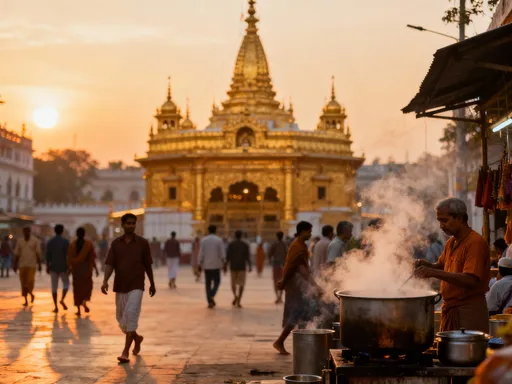
At the heart of Dhaka’s spiritual landscape stands the Dhakeshwari Temple, recognized as the national temple of Bangladesh and the most significant Hindu place of worship in the country. Located in the upscale neighborhood of Ramna, the temple is dedicated to Goddess Dhakeshwari, the presiding deity of Dhaka, whose name is believed to be the origin of the city itself. Though the original temple dates back to the 12th century, the current structure was rebuilt in the 20th century after repeated damage during conflicts. Its terracotta spire, or shikhara, rises gracefully above the city skyline, a symbol of enduring faith.
The temple complex includes several shrines, a large courtyard for gatherings, and a peaceful inner sanctum where the goddess is worshipped daily. During major festivals like Durga Puja and Diwali, the atmosphere transforms—colorful lights adorn the buildings, devotional songs fill the air, and hundreds of devotees gather in celebration. The rituals, performed by resident priests, follow ancient Vedic traditions, with offerings of flowers, fruits, and incense. The energy is both solemn and joyful, a reflection of the deep spiritual connection the Hindu community maintains with their heritage.
What makes the Dhakeshwari Temple especially meaningful is its role in showcasing religious harmony in Dhaka. Despite being a minority, the Hindu community is respected and protected under Bangladesh’s constitution, and the government officially recognizes Durga Puja as a public holiday. Visitors of all backgrounds are welcomed into the temple courtyard, where they can observe ceremonies, light candles, or simply sit in quiet reflection. The presence of police security during festivals is not a sign of tension but of national commitment to safeguarding religious freedom.
This spirit of coexistence extends beyond the temple grounds. In neighborhoods like Shankhari Bazaar, narrow lanes are lined with shops run by Hindu families who have lived and worked there for generations, selling conch shells, puja items, and handmade crafts. Muslim neighbors greet them during Eid, just as Hindu families exchange sweets during religious festivals. Dhaka’s cultural strength lies in this quiet, everyday tolerance—a reminder that diversity, when nurtured with respect, becomes a source of national unity. For travelers, witnessing this harmony is not just uplifting—it is essential to understanding the true character of Bangladesh.
A Walk Through Old Dhaka: Lalbagh Fort and Ahsan Manzil
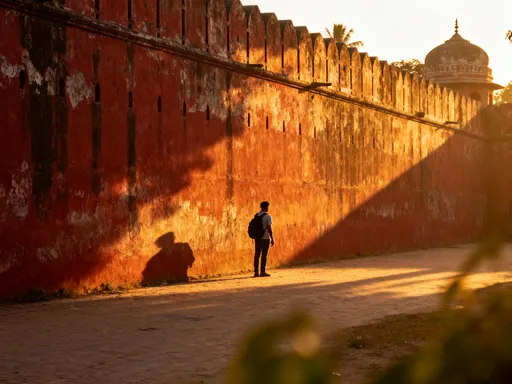
No journey into Dhaka’s cultural soul is complete without a visit to Old Dhaka, the historic core where Mughal ambition, colonial influence, and local life intertwine. Among its crown jewels are Lalbagh Fort and Ahsan Manzil—two landmarks that speak volumes about the city’s past and its enduring grandeur. Lalbagh Fort, begun in 1678 under the rule of Prince Muhammad Azam, son of Emperor Aurangzeb, was never completed, yet its unfinished state only adds to its mystique. Set along the Buriganga River, the fort’s red sandstone walls and domed pavilions rise from a sprawling 18-acre site, offering a glimpse into Mughal military architecture and courtly life.
The fort complex includes three main sections: the Diwan-i-Aam (audience hall), the tomb of Pari Bibi (believed to be the daughter of the fort’s governor), and a mosque with elegant arched entrances. Pari Bibi’s tomb, surrounded by a tranquil garden, is a masterpiece of symmetry and delicate stonework. According to legend, her sudden death caused construction to halt, though historians suggest political and financial challenges were more likely reasons. Today, visitors walk through arched gateways, climb stone staircases, and pause in shaded courtyards, imagining the lives once lived within these walls. The site is especially peaceful in the early morning, when sunlight filters through the trees and local families gather for quiet walks.
A short distance away stands Ahsan Manzil, the iconic pink palace that once served as the residence of the Nawab of Dhaka. Built in the late 19th century, this Indo-European structure blends Mughal domes with European columns and French windows, reflecting the cosmopolitan tastes of its time. Perched on the banks of the Buriganga, the palace offers sweeping views of the river, where wooden boats still carry goods much as they did a century ago. Now a museum, Ahsan Manzil displays period furniture, royal attire, and historical photographs that tell the story of Dhaka’s aristocratic past.
For travelers, both sites offer more than architectural beauty—they provide context. Lalbagh Fort reminds us of Dhaka’s strategic importance in the Mughal Empire, while Ahsan Manzil illustrates the city’s role as a center of wealth and culture during the British colonial era. Practical tips enhance the experience: visiting early in the day avoids the heat and crowds; hiring a local guide enriches understanding with stories not found in brochures; and photography is best at golden hour, when the soft light bathes the pink palace in a warm glow. These landmarks are not frozen in time—they are living parts of the city’s memory, inviting respectful exploration.
Bangladesh National Museum: Where History Comes Alive
To truly understand Dhaka, one must step inside the Bangladesh National Museum, a comprehensive institution that houses the nation’s story from ancient times to the present. Located in Shahbagh, the museum is housed in a modern building with classical elements, symbolizing the bridge between past and future. Its galleries span archaeology, ethnography, natural history, numismatics, and the Liberation War of 1971—each offering a window into the forces that shaped Bangladesh. For travelers seeking depth, this museum is indispensable.
The archaeology section traces human presence in the region back thousands of years, with artifacts from the Maurya, Gupta, and Pala empires. Stone sculptures of Hindu and Buddhist deities, terracotta plaques, and ancient pottery reveal the spiritual and artistic life of early Bengal. The ethnography wing showcases traditional clothing, musical instruments, and household items from various ethnic communities, including the Chakma, Marma, and Santal peoples. These displays highlight the cultural diversity that exists beyond the Bengali majority, offering a more complete picture of the nation.
Perhaps the most powerful section is the Liberation War gallery. Through photographs, personal letters, weapons, and multimedia exhibits, it documents the nine-month struggle for independence from Pakistan. The stories of ordinary citizens—students, farmers, women—who joined the fight are told with dignity and care. One exhibit features a reconstructed village bunker, where visitors can sit and listen to recorded testimonies. This space does not glorify war but honors sacrifice and resilience, reminding all who enter of the cost of freedom.
From a visitor’s perspective, the museum is well-organized, with clear signage in Bengali and English. Audio guides are available, and free guided tours are offered on weekends. The museum shop sells books, postcards, and handcrafted souvenirs, supporting local artisans. Opening hours are 10 a.m. to 5 p.m., closed on Fridays. Entry fees are modest, making it accessible to all. For families, the natural history section—with dinosaur fossils and taxidermied wildlife—adds an engaging element for children. More than a repository of objects, the Bangladesh National Museum is a place of reflection, education, and national pride. It grounds the traveler in context, transforming sightseeing into meaningful learning.
Art Beyond Borders: Shilpakala Academy and Contemporary Creativity
Culture in Dhaka is not only preserved in monuments and museums—it is constantly reimagined. At the National Academy of Fine and Performing Arts, known locally as Shilpakala Academy, tradition meets innovation in vibrant and unexpected ways. Located in Segunbagicha, this government-supported institution serves as a hub for artists, dancers, musicians, and theater groups from across the country. Its campus includes galleries, performance halls, rehearsal studios, and open-air amphitheaters, all designed to nurture creativity and public engagement.
Visitors to Shilpakala Academy can explore rotating art exhibitions featuring paintings, sculptures, and installations by both established and emerging artists. Themes often reflect social issues, environmental concerns, and cultural identity, rendered in styles that range from realism to abstract expression. During cultural festivals like Pohela Boishakh (Bengali New Year), the grounds come alive with music performances, folk dances, and traditional puppet shows. The academy also hosts international collaborations, bringing global artists into dialogue with local talent.
One of its most inspiring aspects is accessibility. Many events are free and open to the public, encouraging broad participation. Travelers can attend classical Odissi or Kathak dance recitals, listen to Rabindra Sangeet (songs by Rabindranath Tagore), or watch contemporary theater productions in Bengali with English subtitles. Workshops are occasionally offered for visitors who wish to try their hand at batik painting, clay modeling, or traditional drumming.
For the culturally curious traveler, Shilpakala Academy offers a rare opportunity: to witness how Bangladesh’s artistic soul is evolving. Young artists use modern mediums to explore ancient myths, blend digital art with folk motifs, and address current social themes through performance. This dynamic exchange between old and new ensures that culture remains relevant and alive. By attending a show or exhibition, visitors do not merely observe—they become part of a living tradition. The academy stands as proof that Dhaka’s cultural energy is not fading but flourishing, driven by passion, education, and community.
Craft Villages and Cultural Immersion (Sarawak and Beyond)
Beyond the city’s monuments and museums, some of the most authentic cultural experiences in Dhaka unfold in nearby craft villages, where artisans keep centuries-old traditions alive. While the name Sarawak may evoke images of Southeast Asia, in this context, it refers to rural communities near Dhaka where specialized crafts are passed down through families. These villages—located within a one- to two-hour drive from the city—offer travelers a chance to move beyond observation and into participation.
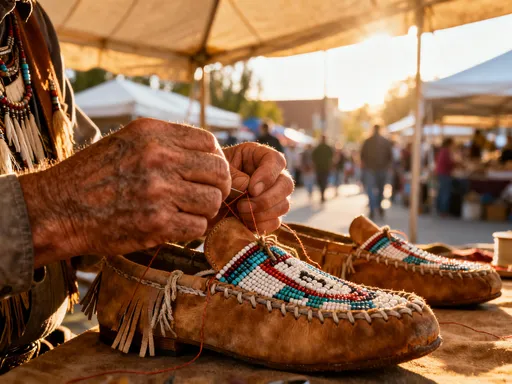
In places like Sonargaon, Rayerbazar, and Tongi, visitors can meet potters shaping clay on hand-turned wheels, weavers creating intricate jamdani fabric on wooden looms, and bamboo artisans crafting baskets, toys, and furniture. Jamdani weaving, recognized by UNESCO as an Intangible Cultural Heritage, is particularly renowned. Each piece takes days or weeks to complete, with patterns woven directly into the muslin by skilled hands. Tourists can watch demonstrations, ask questions, and even try simple weaving techniques under guidance.
These visits are more than sightseeing—they are acts of cultural exchange and economic support. Many artisans rely on tourism and direct sales to sustain their livelihoods. By purchasing handmade goods, travelers contribute to the preservation of these crafts. Local tour operators offer half-day or full-day trips that include transportation, guided visits, and light refreshments. Some experiences, such as pottery-making or natural dye workshops, can be arranged in advance for small groups.
The value of these excursions lies not just in the souvenirs but in the human connections formed. Sitting with a weaver, learning the meaning behind a pattern, or sharing tea with a family opens doors to understanding that no guidebook can provide. These moments remind us that culture is not static—it is carried in hands, voices, and daily routines. For families traveling with children, craft villages offer engaging, hands-on learning. For solo travelers, they provide quiet, meaningful encounters. In a world of mass production, these villages stand as sanctuaries of authenticity, creativity, and continuity.
How to Move Through Dhaka with Respect and Curiosity
Traveling in Dhaka requires more than a map—it demands mindfulness. This is a city where tradition and modernity coexist, where every gesture carries meaning, and where hospitality is deeply rooted. To move through Dhaka with respect and curiosity is to honor its people and their way of life. Simple actions—dressing modestly, speaking gently, listening more than talking—can transform a visit from superficial to significant.
Modest clothing is appreciated, especially when visiting religious sites or residential neighborhoods. For women, this means covering shoulders and knees; for men, avoiding tank tops and shorts. While Dhaka is welcoming, cultural sensitivity builds trust. When photographing people, always ask permission, particularly children and elders. A smile and a simple “Chotto chobi?” (Can I take a photo?) in Bengali goes a long way. Many will say yes, often with pride, but respecting a “no” is equally important.
Learning a few basic Bengali phrases enhances connection. “Assalamualaikum” (peace be upon you) is a common Muslim greeting; “Namaskar” is used by Hindus. “Dhonnobad” means thank you and is always appreciated. At religious sites, remove shoes before entering, speak softly, and follow local customs—such as covering the head at certain mosques or not entering temple sanctums unless invited.
Perhaps the most valuable approach is slow travel. Dhaka is not a city to be rushed. Let go of rigid itineraries. Sit in a tea stall and watch life unfold. Accept an invitation to share a meal. Allow time for unplanned conversations. These moments often become the most memorable. By prioritizing presence over productivity, travelers open themselves to the deeper rhythms of the city. Dhaka rewards patience, humility, and genuine interest. It is not about checking boxes—it is about building bridges.
Conclusion: Dhaka Isn’t Just a Stop—It’s a Story
Dhaka is often misunderstood. To the hurried eye, it may seem chaotic, overwhelming, or impenetrable. But to those who look deeper, it reveals itself as a city of extraordinary depth, resilience, and beauty. Its cultural spaces—temples, forts, museums, art halls, and village workshops—are not isolated attractions. They are threads in a rich, living tapestry that tells the story of a nation shaped by history, faith, and creativity.
To travel through Dhaka is to engage with a culture that does not perform for outsiders but welcomes them into its daily life. It is to walk beside mothers teaching children folk songs, to hear poets recite verses in candlelit courtyards, to see artisans shape clay with hands that remember generations. This is not tourism as spectacle—it is travel as connection.
The true value of visiting Dhaka lies not in the number of sites seen, but in the understanding gained. Each monument, each festival, each conversation adds a layer to one’s perception of Bangladesh. This city invites travelers to move beyond stereotypes and see the humanity, dignity, and artistry that define its people. In a world that often prioritizes speed and convenience, Dhaka offers something rare: authenticity.
So go. Not to conquer a checklist, but to listen. Not to take photos, but to remember faces. Not to pass through, but to be changed. Let Dhaka surprise you with its warmth, its history, its soul. Because in the end, the best journeys are not measured in miles, but in moments that stay with you long after you’ve returned home. Dhaka is not just a stop on a map—it is a story waiting to be lived.