Through the Lens of Nantes: Where Urban Spaces Come Alive
Nantes, a city that dances between old-world charm and modern creativity, offers photographers a playground of urban textures, light, and life. I never expected such visual magic from a French city outside Paris. From repurposed industrial zones to hidden courtyards, every corner tells a story. This is not just sightseeing—it’s about capturing moments where architecture, culture, and emotion collide in the most unexpected ways. The city’s transformation over recent decades has created a unique visual language, one that blends history with innovation, nature with industry, and stillness with movement. For those who carry a camera not just as a tool but as a way of seeing, Nantes becomes more than a destination—it becomes inspiration.
The Soul of a Reimagined City
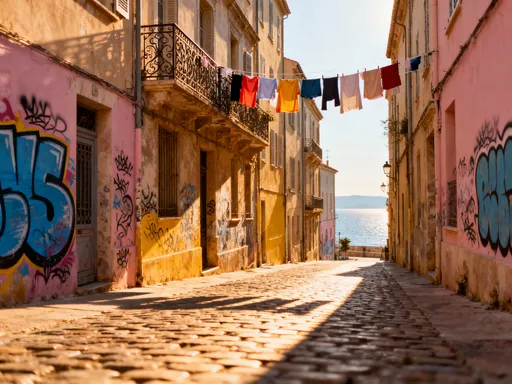
Nantes stands as a powerful example of urban reinvention. Once known primarily for its role as a bustling port and industrial center along the Loire River, the city has undergone a thoughtful and ambitious transformation over the past three decades. Abandoned shipyards, warehouses, and factory spaces have been reimagined into cultural hubs, public parks, and artistic zones that celebrate both memory and progress. This evolution is not a rejection of the past, but rather a dialogue with it—one that creates compelling contrasts for the observant photographer. The juxtaposition of rusted steel beams beside blooming flower beds, or graffiti-covered walls illuminated by modern art installations, speaks to a city that honors its roots while stepping boldly into the future.
One of the most striking areas illustrating this shift is the Île de Nantes, a former industrial island that now serves as a living canvas for urban design and creative expression. Once dominated by shipbuilding cranes and storage facilities, the island now pulses with pedestrian pathways, open-air galleries, and experimental architecture. Photographers can explore the remnants of the past—weathered docks, faded signage, and massive iron structures—while also capturing the vibrancy of contemporary interventions like light sculptures and kinetic art. These layered textures offer endless opportunities for composition, especially when using wide-angle lenses to emphasize scale or macro settings to highlight peeling paint and moss-covered bricks.
What makes Nantes particularly compelling is its commitment to accessibility and human-centered design. Unlike some cities where renewal projects feel sterile or exclusive, Nantes integrates people into the transformation. Families picnic on former factory grounds, cyclists weave through repurposed rail lines, and artists display work in open-air studios. This blend of activity and history creates dynamic scenes that are both authentic and visually rich. For photographers, this means the ability to capture not just static landscapes, but living, breathing moments of urban life in motion. The city doesn’t merely look good—it feels alive, and that energy translates powerfully through the lens.
Les Machines de l’Île: Fantasy in the Cityscape
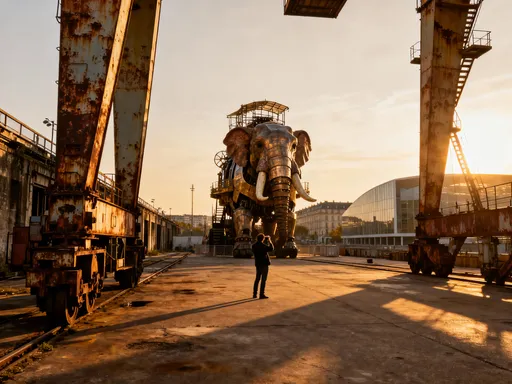
No visit to Nantes would be complete without encountering Les Machines de l’Île, a surreal and imaginative complex that has become one of the city’s most iconic attractions. Housed within the transformed shipyards of the Île de Nantes, this artistic project fuses engineering, mythology, and theatrical spectacle into moving sculptures that defy conventional expectations. At its heart stands the Grand Éléphant, a 12-meter-tall mechanical elephant that walks along the old docklines, carrying passengers on its back while steam rises from its trunk. Watching it move is like stepping into a Jules Verne novel—whimsical, grand, and slightly unreal.
For photographers, Les Machines de l’Île offers a rare opportunity to capture fantasy grounded in reality. The textures of metal, wood, and moving gears contrast beautifully with the softness of sky and water, creating images that balance industrial grit with dreamlike wonder. The best photographic moments often occur during the golden hour, when warm sunlight bathes the copper surfaces of the machines, enhancing their patina and casting long, dramatic shadows across the cobblestones. Capturing the elephant in motion—its legs lifting deliberately, steam curling into the air—adds narrative depth, turning a simple portrait into a scene from an unfolding story.
Beyond the elephant, the site includes the Carousel of the Sea Worlds, a multi-level rotating structure featuring mechanical marine creatures like jellyfish, crabs, and whales. Each level moves independently, offering ever-changing compositions as visitors ride among them. Photographing this carousel requires patience and timing—waiting for the perfect alignment of light, movement, and human expression. Using a slightly slower shutter speed can convey motion without blurring details, giving the image a sense of rhythm and life. Additionally, the surrounding workshops, where artisans build and maintain these creations, provide behind-the-scenes opportunities to document craftsmanship in action—hands shaping metal, sketches pinned to walls, tools scattered across benches—all of which add layers of authenticity to the visual narrative.
Jardin des Plantes: Nature Framed by Design
Just a short walk from the city center lies the Jardin des Plantes, one of France’s most beautifully maintained botanical gardens. Opened in the late 18th century, it has evolved into a sanctuary of order, color, and seasonal change. Unlike wilder green spaces, this garden is a study in precision—its pathways laid out in geometric patterns, its flowerbeds curated for maximum visual impact, and its greenhouses preserving rare plant species from around the world. For photographers, it offers a controlled yet deeply expressive environment where nature and human design exist in harmony.
The formal alleys lined with hornbeam trees create natural leading lines, drawing the eye toward fountains, statues, or distant glass structures. These symmetrical compositions are ideal for minimalist photography, where simplicity and balance convey elegance. Spring and early summer bring an explosion of color—tulips, irises, and wisteria transform the garden into a painter’s palette, while autumn softens the tones into golds, ambers, and deep reds. Even in winter, when much of the garden rests, frost-covered branches and bare tree silhouettes against gray skies offer a more contemplative mood, perfect for black-and-white conversions.
The garden’s two main greenhouses—the Tropical Pavilion and the Succulent House—provide opportunities for close-up photography in controlled lighting conditions. Inside, humidity fogs the glass, and light filters through dense foliage, creating a dreamy, almost cinematic atmosphere. Capturing dewdrops on leaves, the intricate patterns of orchid petals, or the spines of cacti requires a macro lens and steady hands, but the results are often strikingly detailed. The contrast between the warmth of the interior and the coolness of the outdoor garden just beyond the glass also allows for creative framing, such as shooting reflections or layered images that merge two worlds in a single frame.
Perhaps most valuable for photographers is the way the Jardin des Plantes offers respite from urban noise without sacrificing visual interest. It is a place where one can slow down, observe carefully, and compose deliberately. In a city that thrives on movement and transformation, the garden stands as a reminder that beauty also resides in stillness, repetition, and careful curation. It teaches the photographer to see not just the dramatic, but the delicate—the curve of a leaf, the reflection in a still pond, the way light falls across a stone path after rain.
Rue Crébillon and the Pulse of Urban Life
If the Jardin des Plantes represents order and tranquility, Rue Crébillon embodies the vibrant, unpredictable energy of city life. Nestled in the heart of Nantes’ historic center, this pedestrian-friendly street is lined with independent boutiques, cozy cafés, and artisanal shops. It is a place of constant motion—locals sipping coffee at outdoor tables, children chasing pigeons, delivery bikes weaving through foot traffic, and street musicians adding soundtrack to the day. For photographers interested in candid urban storytelling, Rue Crébillon is a treasure trove of human moments waiting to be captured.
Street photography here is not about grand gestures, but about the small, authentic interactions that define daily life. A woman adjusting her scarf in the breeze, a barista wiping down a counter, two friends laughing over a shared dessert—these are the moments that, when framed with care, convey the soul of a place. The key is to observe without intruding, to blend into the environment and wait for natural compositions to unfold. Using a 35mm or 50mm lens allows for proximity without aggression, enabling the photographer to capture expressions and gestures in their natural context.
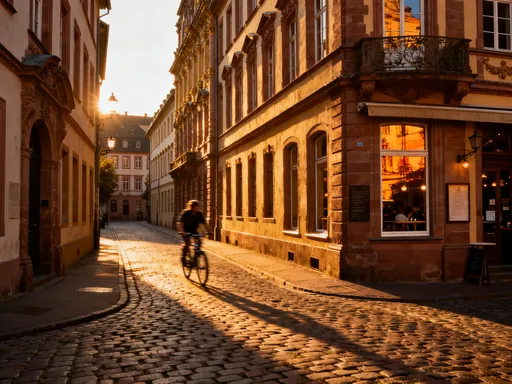
Natural light plays a crucial role in shaping the mood of images taken on Rue Crébillon. In the morning, sunlight streams between buildings, casting sharp contrasts and highlighting textures—wooden doors, stone facades, metal signage. By midday, the light becomes more even, ideal for full-color scenes. In the late afternoon, as the sun lowers, warm tones bathe the street, softening edges and creating a golden glow on faces and surfaces. Shooting during these times enhances the emotional resonance of the images, making them feel not just observed, but felt.
Framing techniques can further elevate street photography on this lively avenue. Reflections in café windows allow for layered compositions—people walking outside mirrored against those sitting inside. Overhead awnings and hanging baskets create natural frames within the frame, drawing attention to specific subjects. Even the geometry of the street itself—its curves, archways, and doorways—can be used to guide the viewer’s eye. The goal is not to document every detail, but to select and emphasize the moments that tell a deeper story about community, rhythm, and connection.
The Banks of the Loire and Erdre Rivers
Water defines Nantes as much as its architecture. The Loire and Erdre rivers, which meet near the city center, provide not only scenic beauty but also powerful visual metaphors—reflection, flow, and continuity. Walking along their banks offers photographers a different perspective on the city, one where built environments are mirrored, softened, and sometimes transformed by the presence of water. The quaysides are lined with colorful townhouses, modern sculptures, and moored boats, all of which double in impact when captured in reflection.
The Loire, France’s longest river, flows with a quiet dignity through Nantes. Its wide surface acts as a natural mirror, especially on calm mornings when fog hovers just above the water. Long-exposure photography—using shutter speeds of several seconds—can turn ripples into smooth, glass-like surfaces, creating surreal images where the real and the reflected blur together. Tripods are essential for this technique, as even the slightest movement can ruin the effect. When done well, the results are hauntingly beautiful: a lone rower gliding across a silver expanse, or the silhouette of a bridge dissolving into mist.
The Erdre, often called “the most beautiful river in France,” offers a more intimate experience. Narrower and shaded by trees, it winds through parks and residential neighborhoods, its banks dotted with houseboats and small docks. Here, the focus shifts from grand vistas to quiet details—the way light filters through leaves onto the water, the texture of weathered wood on a dock, the reflection of ivy-covered walls. Drone photography is permitted in certain zones along the Erdre, offering aerial perspectives that reveal the river’s meandering path and its integration into the urban fabric. However, operators must adhere to local regulations, maintaining altitude limits and avoiding private property.
Both rivers change with the seasons. In spring, cherry blossoms line the banks, their pink petals falling like confetti onto the water. In summer, the quays become social spaces—people sunbathe, picnic, and kayak. Autumn brings golden foliage that drifts slowly downstream, while winter strips the trees bare, emphasizing architectural lines and silhouettes. Each season offers a distinct palette and mood, encouraging photographers to return again and again, not just to capture new scenes, but to see the familiar in new ways.
Hidden Courtyards and Artistic Passages
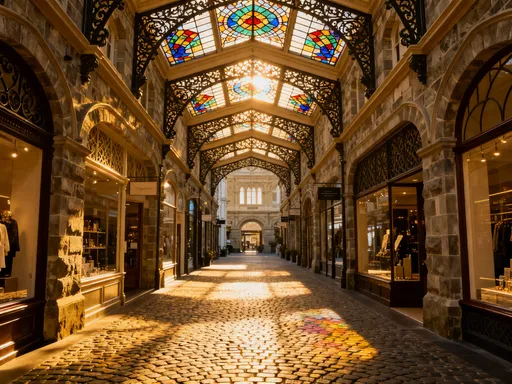
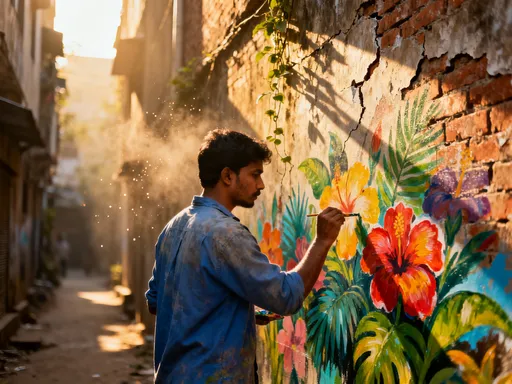
Beyond the main streets and public parks, Nantes reveals another layer of beauty in its hidden courtyards and covered passages. Known locally as *passages couverts* or *cours intérieurs*, these spaces are tucked behind unmarked doors, accessible only to those who look closely. Some are remnants of 18th- and 19th-century townhouses, their inner gardens now shared by residents but open to quiet exploration. Others have been transformed into artistic enclaves, featuring murals, sculptures, and installations that turn private spaces into open-air galleries.
These hidden spots reward patience and respect. Unlike tourist hotspots, they are not designed for crowds, and photography should be approached with discretion. Asking permission when residents are present, avoiding flash, and moving quietly are essential practices. When done thoughtfully, the resulting images carry a sense of intimacy and discovery—the dappled light through a canopy of wisteria, a weathered stone fountain half-hidden by ivy, a mural depicting maritime legends in vibrant colors. These are not just photographs; they are glimpses into private worlds made public through art and openness.
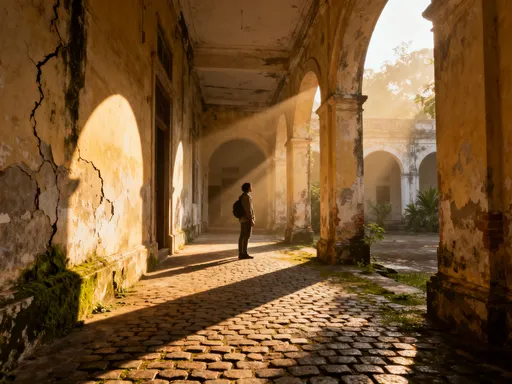
One of the most photogenic aspects of these courtyards is their play of light and shadow. Sunlight often enters at oblique angles, creating dramatic contrasts between illuminated walls and dark corners. This chiaroscuro effect lends itself well to moody, atmospheric shots, particularly in black and white. Textures abound—rough stone, peeling paint, climbing vines, iron railings—each contributing to a sense of time and memory. Wide-angle lenses can capture the full enclosure of a courtyard, while telephoto settings isolate details, turning a single window or door into a focal point of narrative intrigue.
Finding these spaces often requires local knowledge or careful exploration. Some are marked on cultural walking maps available at tourist offices, while others are discovered by chance—through an open gate, down a narrow alley, behind a bookstore. The act of searching becomes part of the experience, reinforcing the idea that photography is not just about capturing what is obvious, but about seeking what is concealed. In Nantes, beauty is not always on display; sometimes, it waits quietly, revealed only to those who take the time to look.
Light, Seasons, and Timing: Mastering the Urban Mood
The character of Nantes shifts dramatically with light and season, offering photographers a constantly evolving canvas. Understanding these changes is key to capturing the city’s full emotional range. Winter mornings often arrive wrapped in fog, softening edges and muting colors, creating a sense of mystery and stillness. This is an ideal time for minimalist compositions—silhouettes of bridges, lone figures on quays, or the glow of streetlights fading into mist. The low angle of the winter sun also produces long shadows and warm highlights, adding depth to architectural details.
Spring breathes new life into the city. Narrow lanes burst with blooming flowers, parks turn lush and green, and the rivers sparkle under clearer skies. This season favors vibrant color photography, where saturation and contrast bring out the freshness of renewal. Early morning light during this time is particularly soft, reducing harsh shadows and allowing for balanced exposures even in shaded areas. It is also a great time to photograph outdoor markets, festivals, and the return of street life after winter’s quiet.
Summer extends daylight hours, offering more time for exploration and golden-hour shooting. The light becomes richer in the late afternoon, casting warm tones across stone buildings and water surfaces. However, midday sun can be harsh, creating strong contrasts and blown-out highlights. Using diffusers, shooting in shaded areas, or converting to high-contrast black and white can turn this challenge into an advantage. Summer evenings are especially lively, with open-air concerts, riverside dining, and illuminated monuments—perfect for long-exposure night photography.
Autumn brings a quieter, more reflective mood. The city’s trees turn golden and red, their leaves drifting onto cobblestones and water. This season favors earthy tones and textured compositions—wet pavement, foggy mornings, and the interplay of warm foliage against cool stone. It is also a time when indoor spaces like greenhouses, museums, and covered passages become more inviting, offering controlled lighting and shelter from unpredictable weather. For photographers, each season is not just a backdrop, but a collaborator—one that shapes mood, color, and meaning.
Framing the Future of Urban Photography
Nantes proves that compelling city photography does not depend on grand monuments or postcard-perfect vistas. Instead, it thrives on the poetry of the everyday—the way light falls on a brick wall, the reflection of a tree in a puddle, the quiet moment between strangers on a bench. This city, with its blend of industrial heritage, artistic innovation, and natural beauty, invites photographers to look deeper, to see not just what is visible, but what is felt. It challenges the eye to find harmony in contrast, meaning in texture, and narrative in stillness.
By tuning into the rhythms of light, season, and urban life, photographers do more than document a place—they reveal its heartbeat. Nantes, in all its layered complexity, becomes a teacher, showing that transformation is not just about change, but about continuity; that beauty exists not only in the new, but in the repurposed, the remembered, the overlooked. The camera, in this context, becomes a tool of connection—between past and present, between people and place, between the seen and the unseen.
For the women who carry cameras—not just as hobbyists, but as storytellers, observers, and seekers of meaning—Nantes offers a profound reminder: that creativity flourishes where curiosity leads. You don’t need to travel to the most famous cities to find inspiration. Sometimes, it waits in a hidden courtyard, on a quiet riverbank, or beside a mechanical elephant breathing steam into the morning air. The city invites you not just to look, but to truly see. And in that seeing, to discover not only the soul of a place, but perhaps, a little more of your own.