Capture Magic: Why Antalya’s Landscapes Demand Your Lens
Have you ever seen a place so breathtaking it makes you forget to breathe? That’s Antalya. Nestled along Turkey’s Turquoise Coast, this sun-kissed gem blends rugged mountains, ancient ruins, and sparkling Mediterranean views. As a traveler with camera in hand, I was stunned by how every turn offered a frame-worthy moment—no filter needed. This is where nature, history, and light collide in perfect harmony. Whether you're a seasoned photographer or simply someone who cherishes beauty through a lens, Antalya delivers an experience that transcends snapshots. It invites you to see deeply, to pause, and to capture not just scenes, but feelings. Here, photography becomes a dialogue between observer and landscape—one that unfolds across cobblestone alleys, coastal horizons, and mountain peaks kissed by dawn.
First Light in Kaleiçi: Wandering Through Old Town Charm
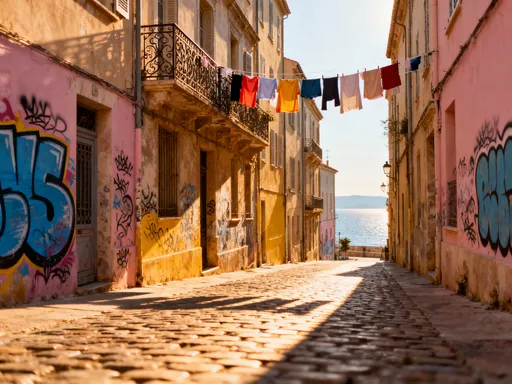
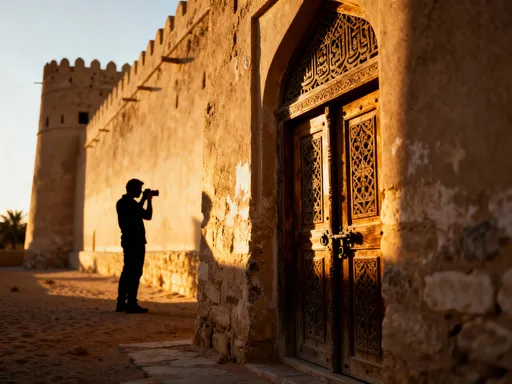
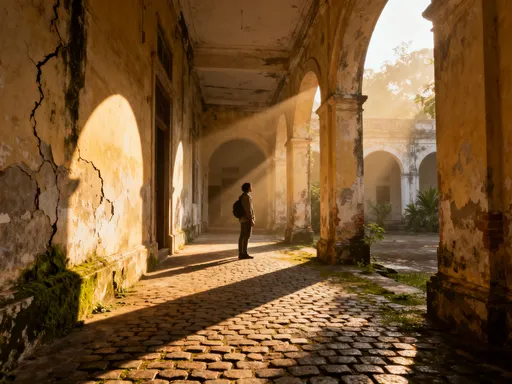
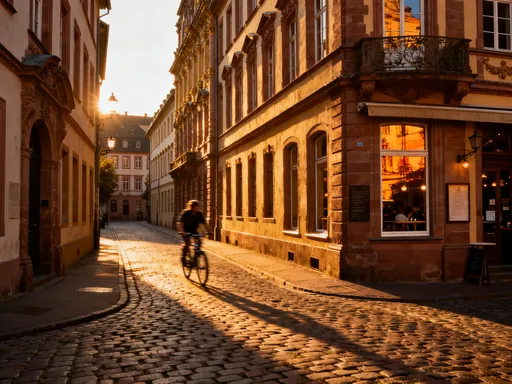
Kaleiçi, the historic heart of Antalya, is a living postcard preserved in stone and sunlight. As the first rays of morning spill over red-tiled rooftops and illuminate weathered wooden balconies, the old town awakens in soft golden hues. Cobbled streets wind like threads through centuries-old Ottoman houses painted in ochre, cream, and terracotta, their doors arched and often adorned with blooming bougainvillea that drapes like ribbons from above. This is not a museum frozen in time, but a vibrant neighborhood where cats nap in sunlit courtyards, fishermen mend nets near the marina, and café owners sweep their doorsteps as the scent of fresh simit fills the air.
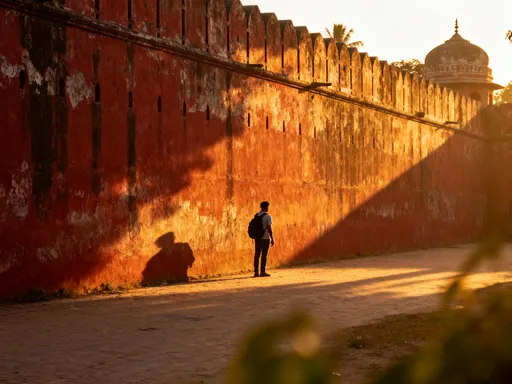
For photographers, Kaleiçi offers endless compositional opportunities, especially during golden hour—the magical window just after sunrise and before sunset. The low angle of the sun casts long shadows that accentuate texture, turning a simple stone wall into a study of light and depth. Silhouetted figures passing beneath archways create narrative tension, while reflections in puddles after a light rain double the visual drama. To capture these moments authentically, patience is key. Rather than staging shots, allow scenes to unfold naturally. A vendor arranging herbs, children chasing a ball down a narrow lane, or an elderly man sipping tea at a waterfront table—these fleeting instances carry emotional weight that staged images often lack.
Compositionally, the blend of architectural layers—foreground arches framing distant sea views, staircases leading the eye upward—invites the use of leading lines and depth of field. A mid-range aperture like f/8 ensures both intricate details and background context remain sharp. Wide-angle lenses excel here, capturing the intimacy of alleyways while preserving spatial relationships. Meanwhile, prime lenses with larger apertures (such as 35mm or 50mm) allow for beautiful bokeh effects when isolating subjects against softly blurred backgrounds. Avoid harsh midday light; instead, return repeatedly throughout the day to witness how changing illumination transforms familiar scenes into new discoveries.
The harbor area adds another dimension, where traditional Turkish gulets bob beside modern yachts, framed by the silhouette of the ancient Hıdırlık Tower. From elevated vantage points like the ramparts near Yivli Minare, photographers can compose layered shots that include foreground textures, midground activity, and distant sea—all within a single frame. These multi-layered compositions reflect the essence of Kaleiçi: a place where past and present coexist in visual harmony, inviting the lens to tell stories that go beyond aesthetics.
The Turquoise Coast: Where Sea Meets Sky in Perfect Symmetry
Stretching along the southern edge of Turkey, Antalya’s Turquoise Coast lives up to its poetic name. The sea here doesn’t merely meet the sky—it mirrors it, creating a seamless gradient of blues that shift from deep sapphire near the horizon to shimmering aquamarine along the shore. This coastline is a dream for landscape photographers, offering vast seascapes, dramatic cliff formations, and beaches that glow under the Mediterranean sun. Among the most photogenic stretches are Konyaaltı Beach and Lara Beach, each offering distinct visual narratives.
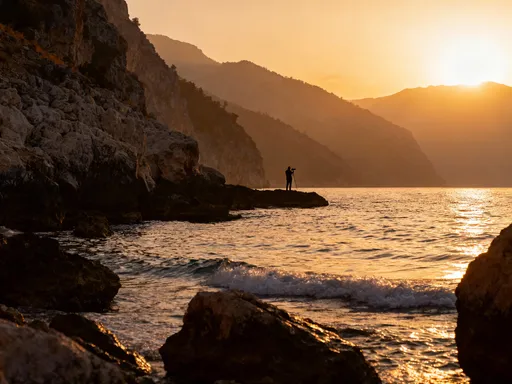
Konyaaltı, with its pebbled shore and panoramic mountain backdrop, provides a dynamic setting for wide-angle photography. The contrast between the dark volcanic rocks, the frothy white surf, and the distant Taurus range creates natural depth. During sunrise, when the sky blushes in pastel pinks and oranges, the water reflects the colors like liquid glass. Sunset brings a different mood—silhouettes of swimmers, couples walking hand-in-hand, or lone fishermen become powerful compositional elements against the fiery sky. To enhance these moments, a circular polarizing filter is invaluable. It reduces glare on the water’s surface, allowing the true richness of the sea’s color to emerge, while also deepening the saturation of clouds and sky.
Lara Beach, further east, presents a softer, more expansive scene with its fine sand and gentle slope into the sea. Ideal for long-exposure shots, this beach allows photographers to smooth waves into ethereal veils using shutter speeds of 10 seconds or more. The absence of large rocks means reflections are uninterrupted, perfect for mirror-like compositions at low tide. Drone photography can elevate these scenes, revealing patterns in the shoreline and the interplay between land and water. However, drone usage in Turkey is regulated—recreational flyers must register their devices with the Directorate General of Civil Aviation (SHGM) and avoid restricted zones near airports, military areas, and certain coastal segments. Always check local guidelines before launching.
Crowds can pose a challenge during peak season, particularly in July and August. To avoid cluttered frames, arrive early in the morning or shoot late in the evening when most tourists have left. Alternatively, focus on micro-details: ripples in wet sand, seashells half-buried in the shore, or the way sunlight fractures through a wave. These close-up perspectives offer intimacy and contrast with the grandeur of wide seascapes. The Turquoise Coast is not just about capturing beauty—it’s about interpreting its rhythm, its light, and its quiet moments of stillness between tides.
Mountains That Touch the Sky: Shooting Nature from Tahtalı Mountain
Rising to 2,365 meters above sea level, Tahtalı Mountain—known locally as Beydağları—offers one of the most breathtaking vantage points in the Mediterranean region. Accessible via the Olympos Teleferik cable car from Kemer, this journey transports visitors from coastal heat to alpine coolness in under ten minutes. As the cabin ascends through pine forests and rocky outcrops, the landscape unfolds below like a living map: the glittering ribbon of the coast, the patchwork of farmland, and the distant sprawl of Antalya city. At the summit, panoramic views stretch for up to 100 kilometers on clear days, encompassing the entire curve of the Gulf of Antalya and the snow-dusted peaks of the Taurus range.
For photographers, this elevation presents unparalleled opportunities for landscape composition. The sheer scale of the vista demands wide-angle lenses to capture the full breadth of the scene, while telephoto lenses allow for compressed perspectives—highlighting the layered ridges of distant mountains or zooming in on individual gulets drifting along the shore. The interplay between light and shadow across the terrain creates natural contrast, especially in the late afternoon when the sun slants across the valleys. Morning light, soft and diffused, minimizes haze and enhances clarity, making it ideal for capturing crisp, detailed images.
One of the challenges at high altitude is atmospheric haze, which can mute colors and reduce contrast. To counter this, shoot during periods of optimal visibility—typically after rainfall or during stable weather patterns. Using a UV or skylight filter can help minimize haze effects, though post-processing tools like dehaze sliders in editing software are often more effective when used subtly. Natural light gradients are particularly striking at Tahtalı; the transition from bright sky to shadowed valleys can be managed by using graduated neutral density filters or by blending exposures in HDR mode, ensuring both highlights and shadows retain detail.
The summit area includes a viewing platform and restaurant, but the best photographic opportunities lie just beyond the main structures. Paths lead to rocky outcrops that offer unobstructed sightlines in all directions. Early risers may catch the sun cresting over the eastern peaks, casting golden rays across the clouds below—a phenomenon known as alpenglow. Winter visits bring the rare chance to photograph snow-capped summits against a deep blue sky, a stark contrast to the coastal warmth just a thousand meters below. Whether you’re drawn to grand panoramas or intimate details of alpine flora clinging to rocky crevices, Tahtalı Mountain rewards those who come prepared with layered clothing, extra batteries (cold drains power quickly), and a sense of wonder.
Hidden Valleys and Waterfalls: Discovering Antalya’s Green Secrets
Beyond the well-trodden paths of the coast and city lie Antalya’s hidden green sanctuaries—places where nature reveals its quieter, more mysterious side. Düden Waterfalls and Saklıkent Gorge stand out as two of the most visually compelling destinations for photographers seeking dynamic natural drama. These locations offer a stark contrast to the sun-bleached stone of the old town and the open sea, presenting lush vegetation, rushing water, and geological formations shaped by millennia of erosion.
Düden Waterfalls, split into upper and lower sections, provide distinct photographic experiences. The Upper Düden Falls plunge dramatically into a canyon just inland from the city, surrounded by dense foliage and wildflowers. Here, the power of falling water creates constant motion, ideal for long-exposure techniques. Using shutter speeds between 1 and 4 seconds transforms the cascade into a silky, flowing veil, emphasizing its ethereal quality. A tripod is essential for stability, especially in the shaded areas where light levels drop. A polarizing filter helps cut through surface glare on wet rocks and enhances the green tones of moss and leaves, adding vibrancy to the scene.
The Lower Düden Falls, located near the sea, offer a more theatrical display—water tumbling directly over a cliff into the Mediterranean below. This juxtaposition of freshwater and saltwater creates a unique visual tension, especially when photographed from the coastal path at sunset. The mist rising from the impact zone catches the golden light, forming rainbows on humid days. Wide-angle shots capture the full scale of the drop, while telephoto lenses isolate droplets suspended mid-air, freezing moments of splendor. Because this site is popular, timing matters—visit early in the morning to avoid crowds and enjoy softer light.
Saklıkent Gorge, located about 50 kilometers from Antalya, is a narrow canyon carved by the Köprüçay River. At times, the walls rise over 300 meters high, squeezing the river into a rushing channel barely wide enough for wading. Photographers can walk along wooden planks or even wade through the icy water to find unique angles. The interplay of light and shadow within the gorge creates dramatic contrasts—sunbeams piercing through narrow openings above, illuminating patches of turquoise water below. Because the interior is often dim, using a higher ISO (800–1600) and wider aperture (f/4–f/5.6) helps maintain exposure without sacrificing shutter speed.
Responsible photography is crucial in these delicate environments. Stay on marked trails to prevent erosion, avoid touching or disturbing plant life, and never leave behind litter. These sites are not only natural wonders but also protected areas that depend on sustainable tourism. By respecting the landscape, photographers contribute to its preservation while capturing images that reflect its true essence—untamed, powerful, and alive.
Ruins With a View: Framing Antiquity at Perge and Aspendos
Antalya’s ancient ruins are more than archaeological sites—they are open-air stages where history performs against a backdrop of natural grandeur. Perge and Aspendos, two of the region’s most significant Greco-Roman cities, offer photographers a rare fusion of architectural precision and scenic beauty. Unlike enclosed museums, these sites invite interaction with light, weather, and perspective, allowing images to convey both scale and intimacy.
Perge, located about 18 kilometers east of Antalya, unfolds along a colonnaded street that stretches from the city gates to the stadium. The ruins rise against the rolling hills of the Pamphylia plain, their limestone columns glowing warmly in the afternoon sun. Wide-angle lenses capture the full length of the main avenue, emphasizing symmetry and perspective, while telephoto lenses compress distance, turning rows of columns into rhythmic patterns. Midday light, often avoided in photography, works exceptionally well here—its high angle intensifies the texture of weathered stone, revealing every crack, inscription, and groove shaped by time. This clarity brings the past into sharp focus, making the ruins feel present and tangible.
The stadium at Perge, one of the best-preserved in Anatolia, curves gracefully into the hillside. Shot from above or at ground level, it offers sweeping lines that draw the eye into the frame. Early morning visits allow for soft sidelight that skims across the seating tiers, enhancing depth. Shadows cast by remaining columns create graphic elements that add drama to compositions. Because the site is expansive, using a drone (within legal limits) can reveal the full geometric layout of the city, though ground-level photography often conveys more emotional resonance.
Aspendos, approximately 47 kilometers east, is home to one of the best-preserved Roman theaters in the world. Its semicircular auditorium, supported by towering stone arches, faces a panoramic view of the countryside. The stage building, with its ornate façade and intact columns, remains largely unaltered since the 2nd century AD. For architectural photographers, the theater is a masterclass in symmetry and proportion. Shooting from the center of the seating area aligns all visual elements along a single axis, creating a powerful sense of order. A 50mm or 85mm lens captures the full façade without distortion, while wide-angle shots from the stage look outward, framing the audience area within the embrace of ancient stone.
Light plays a transformative role here. During sunrise, the theater is bathed in soft golden tones, while late afternoon light warms the stonework and casts long shadows that define its contours. Because Aspendos hosts concerts and cultural events, timing your visit around off-season weeks ensures fewer people and quieter conditions for contemplative photography. These ruins are not relics frozen in time—they are living spaces where past and present converge, inviting the lens to witness their enduring presence.
Colors of the Bazaar: Capturing Life in the Old City Markets
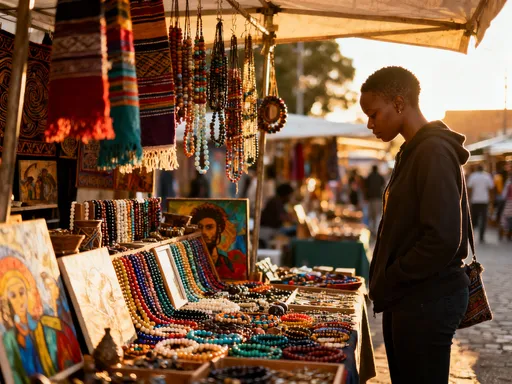
Photography in Kaleiçi extends beyond architecture and scenery into the vibrant pulse of daily life—nowhere more so than in the old city’s bazaars and market lanes. Here, color explodes in every direction: pyramids of crimson sumac, saffron-yellow turmeric, and deep burgundy peppers spill from woven baskets; handwoven kilims hang like tapestries in jewel-toned patterns; and copper pots gleam under filtered sunlight streaming through wooden lattice roofs. These markets are not staged for tourists—they are working spaces where artisans shape silver, bakers pull flatbreads from tandoor ovens, and elders bargain over tea.
Capturing this energy requires a blend of observation, timing, and respect. Candid photography thrives in these environments, but ethical considerations are paramount. Always ask permission before photographing people, especially vendors or artisans engaged in their craft. A smile, a nod, or a simple gesture often opens the door to a genuine interaction. When granted, these portraits carry dignity and connection—far more meaningful than stolen glimpses. Some of the most compelling images arise from collaboration: a spice seller holding a jar of paprika against the light, a coppersmith pausing mid-hammer strike, or a grandmother adjusting her headscarf as she examines fresh herbs.
Lighting in the bazaar is complex—dappled, directional, and constantly shifting. Overhead openings create natural spotlights that illuminate specific stalls while leaving others in shadow. This contrast can be used creatively: underexpose slightly to preserve highlight detail in bright areas, then lift shadows in post-processing to reveal texture. Use aperture priority mode to maintain control over depth of field—f/5.6 to f/8 keeps both foreground products and background activity reasonably sharp. A fast prime lens (e.g., 35mm f/1.8) allows for handheld shooting in lower light without introducing motion blur.
The textures of the market—rough wood, woven fabric, polished metal—invite close-up photography. Macro shots of stacked spices, intricate tile work, or the grain of aged leather tell micro-stories within the larger narrative of daily commerce. These details, when combined with wider environmental portraits, create a rich visual tapestry. The bazaar is not just a place to take pictures—it’s a place to listen, to learn, and to connect. The best images emerge not from technical perfection, but from moments of shared humanity.
Chasing Sunsets and Starlight: Night Photography Along the Coast
As daylight fades, Antalya transforms into a nocturnal canvas of warm glows and deep blues. The harbor lights flicker on, minarets are gently illuminated, and the sea reflects the city’s pulse like black silk threaded with gold. This transition from dusk to night offers photographers a second act—one defined by long exposures, controlled light, and atmospheric depth. Twilight, or the “blue hour,” occurs just after sunset when the sky retains a soft, diffused glow. This brief window is ideal for balancing artificial and natural light, allowing cityscapes to appear vibrant without looking overexposed.
Harbor areas like Kaleiçi Marina and the Yat Limanı provide excellent settings for twilight photography. Using a tripod ensures sharpness during extended exposures. Start with settings around ISO 100, f/8 to f/11, and shutter speeds between 10 and 30 seconds. Adjust based on ambient light—longer exposures smooth water into glassy reflections, turning passing boats into streaks of light. Manual focus is recommended, as autofocus struggles in low light; set focus to infinity or use live view to zoom in on a bright light source.
For those venturing beyond city limits, certain coastal areas offer remarkably low light pollution, making them suitable for astrophotography. On clear nights, especially during new moon phases, the Milky Way becomes visible above the horizon. While Antalya’s urban core is too bright for deep-sky imaging, rural stretches near Kemer or inland villages provide darker skies. A wide-angle lens (14–24mm), fast aperture (f/2.8 or lower), and exposure times of 15–25 seconds (to avoid star trailing due to Earth’s rotation) are essential. Use the 500 Rule (500 ÷ focal length = max shutter speed) to calculate safe exposure limits.
Night photography also captures the quiet rhythm of the city after dark. Empty streets, lone fishermen casting lines, or a single lamp glowing in a café window tell stories of solitude and serenity. These images contrast with the daytime bustle, revealing another layer of Antalya’s character. While advanced gear enhances results, even smartphones with night mode can produce compelling shots when stabilized. The key is patience—waiting for the right alignment of light, movement, and stillness.
Conclusion: More Than Just Pictures—Antalya as a Visual Journey
Antalya is not a destination to be merely seen—it is one to be felt through the lens. From the golden alleys of Kaleiçi to the thundering falls of Düden, from the ancient symmetry of Aspendos to the silent stars above the coast, every image captured here is part of a larger story. This is a place where nature and history coexist in visual harmony, where light shapes emotion, and where every photograph carries the weight of time and place.
The best images are not those taken in haste, but those born from presence—moments when the photographer pauses, observes, and allows the landscape to speak. Technical skill matters, yes, but so does empathy, respect, and curiosity. Whether you’re photographing a crumbling column, a vendor’s hands arranging spices, or the first star above the sea, you are not just recording a scene—you are bearing witness.
Antalya invites you to slow down, to explore with intention, and to let your camera become an extension of your senses. It challenges you to look deeper, to see beyond the postcard, and to find beauty in the quiet details. In doing so, you don’t just take pictures—you create memories, connections, and a visual diary of a place that touches the soul. So pack your lens, charge your battery, and step into the light. The magic is waiting.