Lost in Heidelberg’s Hidden Corners: A Walk Through Its Beating Heart
Ever walked down a street that feels like a storybook? Heidelberg isn’t just about castles and rivers—its real magic lives in the quiet lanes, buzzing plazas, and neighborhood corners where daily life unfolds. I wandered without a map and found soul in the smallest details: cobblestones warmed by sun, laughter spilling from wine bars, and the scent of fresh pretzels at dawn. This is travel at its most intimate—authentic, unplanned, alive. More than any guidebook landmark, it’s these unscripted moments that reveal the true rhythm of a city. Heidelberg, with its layered history and vibrant present, invites visitors not just to see, but to feel its heartbeat through the pulse of local life, one quiet alley at a time.
Arrival in Altstadt: First Steps Into a Living Postcard
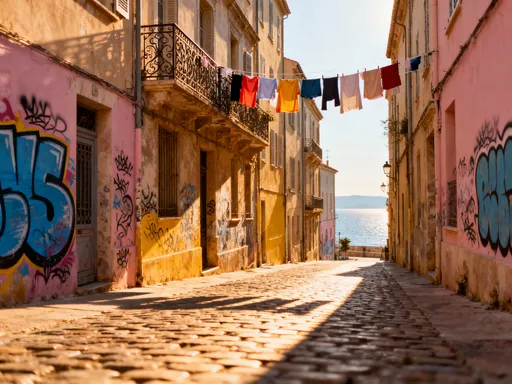
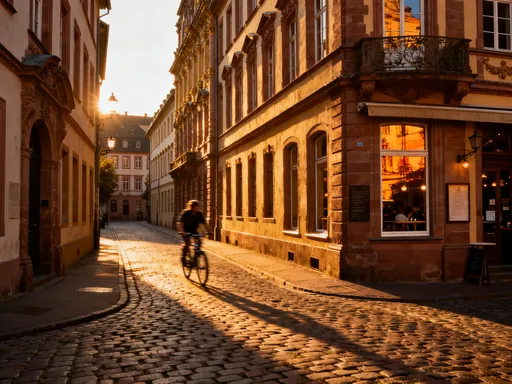
The moment you step into Heidelberg’s Old Town, time shifts. The air carries the faint scent of roasted chestnuts and damp stone, mingling with the distant chime of church bells echoing off centuries-old facades. Cobbled streets curve gently beneath your feet, worn smooth by generations of footsteps, leading the eye toward the Neckar River, which glimmers under the soft German sun. Baroque buildings with ornate gables and flower-filled window boxes line the narrow alleys, their pastel hues glowing in the morning light. There are no cars here—only the rhythm of strolling pedestrians, the occasional bicycle bell, and the murmur of conversations in German, English, and French. This is a city designed for walking, where every turn reveals a new vignette: a street musician tuning a violin, a couple sharing coffee at a wrought-iron table, a vendor arranging handmade soaps at a corner stall.
Altstadt’s pedestrian-friendly layout is not by accident but by intention. Over decades, city planners have prioritized human-scale movement, preserving the historic core while ensuring it remains accessible and welcoming. The absence of traffic doesn’t just reduce noise—it deepens the sensory experience. You hear the trickle of a hidden fountain, the rustle of leaves in a tucked-away courtyard, the laughter from an open café window. These details, often drowned out in busier cities, become the soundtrack of Heidelberg. The layout encourages slow exploration, inviting visitors to linger rather than rush. This deliberate pace sets the tone for deeper discovery, not just of landmarks, but of the city’s daily rituals and quiet beauty.
As you move deeper into the district, landmarks emerge naturally rather than being forced upon you. The Church of the Holy Spirit rises with quiet dignity, its twin spires marking the skyline. Nearby, the market stalls of Marktplatz come alive each morning, offering seasonal fruits, local cheeses, and handmade breads still warm from the oven. There’s no pressure to “see everything”—instead, the city unfolds like a conversation, each street corner offering a new sentence in its story. For the 30- to 55-year-old traveler, often balancing family, work, and personal time, this unhurried atmosphere is a rare gift. It’s not about ticking off attractions, but about reconnecting with the simple pleasure of being present. In Altstadt, that presence is easy to find.
The Soul of Philosophenweg: Where Scenery Meets Stillness
Crossing the Old Bridge—Alte Brücke—with its iconic stone monkeys and panoramic views of the Heidelberg Castle, leads you to one of the city’s most poetic spaces: the Philosophenweg, or Philosopher’s Path. Nestled along the steep eastern slope of the Königstuhl hill, this shaded promenade offers more than just a breathtaking vista. It carries the quiet energy of contemplation, a legacy of the 19th-century academics who once walked here, lost in thought. The path, lined with ivy-clad villas, fragrant jasmine, and ancient plane trees, feels removed from the world below, yet deeply connected to it. From this elevated vantage, the Neckar River curls through the city like a silver ribbon, and rooftops stretch in a patchwork of red tile and slate.
The Philosophenweg is not a tourist trap but a living corridor where locals jog, read, or simply pause to breathe. Benches are thoughtfully placed at intervals, inviting rest and reflection. In the early morning, mist still clings to the valley floor, softening the outlines of the buildings. By midday, sunlight filters through the canopy, casting dappled shadows on the stone path. In autumn, the trees blaze with color; in spring, cherry blossoms drift like snow. This is a place that changes with the seasons, yet always offers stillness. For the modern traveler—especially women juggling family responsibilities and personal aspirations—this kind of space is invaluable. It’s not about grand gestures, but about finding moments of clarity in a world that rarely slows down.
Historically, the path earned its name because Heidelberg University’s professors once lived in the surrounding villas and used the trail for daily walks, often discussing philosophy, science, and literature. Today, their spirit lingers in the air—a reminder that great ideas often emerge not in lecture halls, but in quiet movement. Visitors don’t need to be scholars to appreciate this. Simply walking the path, feeling the cool shade, listening to birdsong, and watching the city below go about its business can be its own form of insight. The Philosophenweg teaches that beauty and meaning are often found not in speed, but in slowness—in paying attention to what is already there.
Bergbahn to Königstuhl: Riding History Above the City
A short distance from the Philosophenweg, the Heidelberger Bergbahn—the city’s historic funicular railway—offers a different kind of ascent. Boarding the vintage wooden car at the Kornmarkt station, you feel a gentle lurch as the train begins its climb up the steep hillside. The journey itself is part of the experience: the rhythmic clatter of the tracks, the changing perspective with every passing minute, the way the city spreads out below like a living map. Built in 1907, the Bergbahn is more than transportation—it’s a moving piece of history, still operated with care and pride. For families, couples, and solo travelers alike, the ride offers a moment of shared anticipation, a break from walking, and a seamless transition from urban streets to mountain serenity.
At the top, Königstuhl unfolds as a district of surprising charm. This isn’t a tourist-only zone but a neighborhood where people live, work, and relax. Narrow streets wind past cozy guesthouses, family-run restaurants, and small shops selling local crafts and hiking gear. A panoramic viewing platform provides one of the best vantage points in the region, where on clear days you can see the Rhine Valley stretching into the distance. Yet the real magic lies in the everyday scenes: children chasing each other near a playground, an elderly couple sharing strudel at an outdoor table, a group of hikers comparing maps before setting off on a trail. These moments aren’t staged—they’re simply life, unfolding at a higher altitude.
Königstuhl also offers access to the Funicular Museum and the historic Heidelberg Castle ruins, but many visitors find equal pleasure in doing nothing at all. A bench under a chestnut tree, a cup of herbal tea from a hillside café, the sound of wind through the pines—these are the quiet luxuries that define the experience. For the traveler seeking balance, Königstuhl represents a rare harmony: the convenience of city access paired with the peace of nature. It’s a reminder that elevation—both literal and metaphorical—can offer clarity, perspective, and a renewed sense of calm.
Student Life in Weststadt: Coffee, Bikes, and Campus Energy
Leaving the heights of Königstuhl and returning to ground level, a different rhythm emerges in Weststadt, one of Heidelberg’s most dynamic residential neighborhoods. Home to parts of Heidelberg University—the oldest in Germany, founded in 1386—this area pulses with youthful energy while retaining a distinctly livable, human scale. Tree-lined avenues, bike lanes, and colorful murals create an atmosphere that is both intellectual and inviting. Students in casual sweaters pedal past bookshops, cafés, and laundromats, their backpacks bouncing with each turn of the pedal. The sound of bicycle bells is constant, a cheerful counterpoint to the occasional tram gliding down the center of the street.
Weststadt is not designed for tourists, yet it welcomes them. Here, you’ll find no souvenir stalls or crowded tour groups—instead, the focus is on daily life. A morning might begin at a neighborhood bakery, where the scent of fresh croissants and rye bread fills the air. Students queue with parents pushing strollers, all waiting for their favorite pastry. Nearby, secondhand bookstores overflow with German literature, philosophy texts, and well-worn novels in multiple languages. These shops aren’t curated for charm; they’re simply part of the community, where knowledge is accessible and affordable. For the adult traveler, especially those who once studied or value lifelong learning, Weststadt feels familiar and inspiring.
The district’s energy is intellectual but never intimidating. You don’t need a degree to enjoy a coffee at a sunlit café where students debate politics or share notes between classes. The atmosphere is inclusive, where ideas flow as freely as the Rhine. Parks like Weststadt Park offer green respites, where families picnic, dogs play, and students read under trees. This blend of academic rigor and relaxed living reflects Heidelberg’s broader identity—a city that honors its past while embracing the present. For women navigating midlife transitions, career shifts, or personal growth, Weststadt offers a quiet affirmation: that curiosity and community can coexist, and that learning never has to end.
Pleasant Surprises in Handschuhsheim: Gardens, Trams, and Local Rhythms
Few visitors make it to Handschuhsheim, yet those who do are rewarded with a rare glimpse into authentic Heidelberg life. Located just a short tram ride from the city center, this residential neighborhood feels worlds away from the postcard-perfect streets of Altstadt. Here, life unfolds at a gentler pace. Tree-shaded avenues lead to quiet courtyards, children ride scooters outside apartment buildings, and neighbors greet each other by name at the corner bakery. There are no tour guides here, no guided walks—just the steady rhythm of daily routines, visible in the way people shop, walk, and gather.
One of the area’s highlights is the Botanischer Garten der Universität Heidelberg, a sprawling botanical garden maintained by the university. Open to the public, it’s a place of quiet wonder—pathways wind through themed sections: alpine plants, medicinal herbs, tropical greenhouses, and serene Japanese gardens. Bees hum among lavender bushes, dragonflies skim over lily ponds, and students sketch plant specimens under the shade of ancient oaks. Unlike formal gardens designed for display, this one feels alive, a working space where nature and study intersect. For visitors seeking peace, it’s a sanctuary. For parents, it’s a place where children can explore safely, discovering butterflies, frogs, and the simple joy of dirt under their feet.
Handschuhsheim also hosts weekly farmers’ markets, where local growers sell organic vegetables, homemade jams, and fresh-cut flowers. These markets aren’t tourist attractions but community hubs, where residents stock up for the week and catch up on neighborhood news. The trams that run through the district—clean, reliable, and frequent—connect Handschuhsheim to the rest of the city without disrupting its calm. This balance of accessibility and tranquility is rare in urban life, yet Heidelberg manages it with grace. In Handschuhsheim, the city reveals a different kind of beauty—one not found in grand architecture, but in the consistency of daily life, the reliability of a morning routine, the comfort of a familiar face at the grocery store.
Marktplatz & Studentenkarzer: Where Tradition Lives in Plain Sight
Back in the heart of the city, two contrasting landmarks illustrate how Heidelberg’s past is not preserved behind glass, but lived every day. The Marktplatz, or Market Square, is a vibrant hub of activity. Every morning, vendors set up colorful stalls filled with seasonal produce—plump strawberries in summer, crisp apples in autumn, fragrant herbs year-round. Local bakers sell pretzels, quiches, and honey cakes, while cheese mongers offer samples of creamy Cambozola and aged Gouda. The square buzzes with energy, yet it remains orderly and welcoming. Residents shop with reusable bags, greet vendors by name, and linger for coffee at outdoor tables. This is tradition in motion: not a performance, but a practice passed down through generations.
Just steps away lies the Studentenkarzer, or Student Jail—a curiosity that reveals another layer of Heidelberg’s unique culture. Operated from the 18th century until 1914, this small prison housed university students who had violated university rules—often for dueling, public drunkenness, or political protests. What makes it remarkable are the walls, covered in centuries of graffiti: names, dates, symbols, and even caricatures drawn by the incarcerated students. Unlike modern prisons, the Studentenkarzer was more a disciplinary measure than a punishment—students could receive visitors, have meals delivered, and even continue their studies. Today, it stands as a museum, offering a lighthearted yet insightful look at student life across the ages.
Together, the Marktplatz and Studentenkarzer represent two sides of Heidelberg’s identity: one rooted in community and sustenance, the other in youth, rebellion, and resilience. Neither is frozen in time; both continue to evolve while honoring their origins. For the traveler, they offer a lesson: that tradition doesn’t have to be rigid to be meaningful. It can be flexible, even playful, as long as it remains connected to people. In a world where so much feels transient, Heidelberg’s ability to hold onto its character—without becoming a museum piece—is deeply reassuring.
Why Neighborhoods Matter: The Quiet Power of Urban Intimacy
Travel often begins with a list: castles to visit, museums to tour, restaurants to try. But the most lasting memories rarely come from checking off those boxes. They come from the unplanned moments—the smell of rain on warm stone, a shared smile with a stranger, the sound of a language you don’t understand but somehow feel. Heidelberg teaches that real discovery happens not in the spotlight, but in the shadows: on a tram ride through a quiet neighborhood, in a garden buzzing with bees, on a bench where you sit simply to watch the world go by.
The city’s neighborhoods—Altstadt, Philosophenweg, Königstuhl, Weststadt, Handschuhsheim—each offer a different rhythm, a different way of being. Together, they form a mosaic of urban life that is both diverse and harmonious. What ties them together is a commitment to human-scale living: walkable streets, green spaces, local commerce, and a respect for both history and modernity. In an age of fast travel and digital overload, Heidelberg reminds us that depth matters more than speed. You don’t need to see everything to understand a place. Sometimes, seeing one street deeply is enough.
For the 30- to 55-year-old woman—whether traveling alone, with a partner, or with family—this kind of travel is especially meaningful. It’s not about adventure in the extreme sense, but about reconnection: with oneself, with others, with the simple joy of being present. It’s about finding beauty in the ordinary, strength in stillness, and wisdom in observation. Heidelberg doesn’t shout its wonders; it whispers them. And in that whisper, there is power—the quiet power of intimacy, of authenticity, of a city that lets you wander, wonder, and belong, even if only for a day.
So the next time you travel, consider leaving the map behind. Step off the main path. Follow the sound of laughter, the scent of fresh bread, the curve of a cobblestone street. Let the city guide you, not through signs, but through feeling. Because the heart of any place isn’t in its monuments, but in its moments. And in Heidelberg, those moments are waiting, not in the guidebooks, but in the living, breathing corners of everyday life.