Why Balance Is the Quiet Superpower No One Talks About
You don’t notice it until it’s gone—standing on one leg, walking on uneven ground, even getting up from a chair. Balance isn’t just for athletes or older adults; it’s a hidden health marker that reveals how well your body and brain work together. I didn’t think about mine until a small stumble made me realize something was off. What followed was eye-opening: simple tests, surprising insights, and daily tweaks that actually work. This is about more than staying upright—it’s about staying strong, aware, and in control.
The Hidden Sign of Health You’re Ignoring
Balanced movement is one of the most underappreciated pillars of long-term wellness. Unlike weight, blood pressure, or resting heart rate, balance rarely appears on routine health checklists. Yet it quietly reflects the integration of multiple bodily systems—muscular strength, joint flexibility, nervous system responsiveness, and spatial awareness. When balance begins to falter, it often signals early shifts in physical function, sometimes years before more obvious symptoms arise. A momentary wobble on a sidewalk curb, a slight hesitation stepping off a curb, or the instinctive grab for a handrail when rising from a chair—all of these can be subtle clues that the body’s coordination is shifting.
For many women between 30 and 55, this stage of life brings changes that can indirectly affect stability. Hormonal fluctuations, shifts in activity levels, increased time spent sitting, and even changes in footwear or daily routines may quietly influence how the body maintains equilibrium. Yet, because balance feels like an automatic function, it’s rarely given intentional attention. Unlike cardiovascular fitness or strength training, which come with visible goals and measurable progress, balance operates in the background—until it doesn’t. The moment a misstep causes a stumble, the realization sets in: this wasn’t just bad luck. It was a sign.
Research has shown that balance ability correlates strongly with overall functional health. In fact, a study published in the British Journal of Sports Medicine found that the ability to stand on one leg for 10 seconds or more was linked to lower mortality risk over a decade, independent of age, sex, or underlying conditions. This isn’t because balance alone keeps people alive—it’s because it reflects a body that is still integrated, responsive, and resilient. When balance declines, it often means multiple systems are subtly weakening. The good news? Unlike some health markers, balance is highly trainable at any age, and improvements can be felt quickly with consistent effort.
Why Balance Declines (And When It Starts)
Most people assume balance only becomes a concern in later life, but the truth is that subtle declines can begin as early as the mid-30s. This doesn’t mean sudden instability, but rather a gradual reduction in proprioception—the body’s ability to sense where its limbs are in space. Without regular challenges to stability, the neural pathways responsible for coordination grow less active. Muscles that support posture and joint control, particularly in the ankles, hips, and core, begin to lose responsiveness. Over time, this creates a feedback loop: less movement leads to weaker signals, which leads to even less confidence in movement.
Sedentary lifestyles are one of the biggest contributors to early balance loss. Many women in this age group spend long hours seated—at desks, in cars, or at home—limiting the variety of movements their bodies experience. The feet, for example, become accustomed to flat, stable surfaces and supportive shoes, reducing their ability to adapt to uneven terrain. The inner ear, which helps detect motion and orientation, receives fewer dynamic signals when daily movement is predictable and linear. Even vision, a key component of balance, becomes less effective when the eyes aren’t regularly scanning shifting environments.
Joint stiffness, another common issue, further compounds the problem. As connective tissues lose elasticity and joint range of motion decreases, the body’s ability to make micro-adjustments during movement is impaired. A stiff ankle can’t absorb small shifts in surface height, forcing other parts of the body to compensate. Over time, this increases the risk of strain and reduces overall coordination. The combination of reduced sensory input, weaker muscles, and less varied movement creates a perfect environment for balance to quietly erode—often without the person noticing until a minor incident brings it to light.
The Body-Brain Connection Behind Stability
Balancing on one foot isn’t just a physical act—it’s a complex neurological event. The brain is constantly receiving input from three primary sources: the eyes, the inner ear (vestibular system), and sensory receptors in the muscles and joints (proprioceptors). These signals converge in the cerebellum, a region at the base of the brain responsible for fine-tuning movement. Think of it as an internal dashboard, continuously monitoring and adjusting posture, muscle tension, and limb position in real time. When one input changes—like closing your eyes or stepping onto a soft surface—the brain must recalibrate instantly to maintain equilibrium.
This dynamic process is what makes balance such a revealing health indicator. It’s not just about leg strength or foot control; it’s about how efficiently the nervous system processes and responds to information. Studies have shown that individuals with better balance tend to have stronger cognitive resilience. For example, research from the University of Eastern Finland found that middle-aged adults with poor balance performance were more likely to show signs of reduced brain volume and slower processing speed over time. While correlation does not equal causation, the connection suggests that maintaining physical stability supports neurological health.
The spinal cord also plays a crucial role through reflexive pathways. When the body starts to tilt, stretch receptors in the muscles trigger automatic corrections before the brain even becomes consciously aware of the shift. These reflexes are trained through repetition and challenge. Without regular engagement, they become slower and less precise. This is why someone who rarely practices balance may feel “off” when standing on a moving bus or walking on a gravel path—their body simply hasn’t maintained the neural readiness to respond quickly. The takeaway is clear: balance is not a fixed trait, but a skill shaped by daily use and attention.
Simple Tests to Check Your Current Level
Assessing your balance doesn’t require special equipment or a visit to a clinic. There are several straightforward, science-backed self-tests that can provide a realistic snapshot of your current stability. These are not diagnostic tools, but rather awareness exercises to help identify areas for improvement. Performing them periodically can also track progress over time, offering motivation to continue with small daily practices.
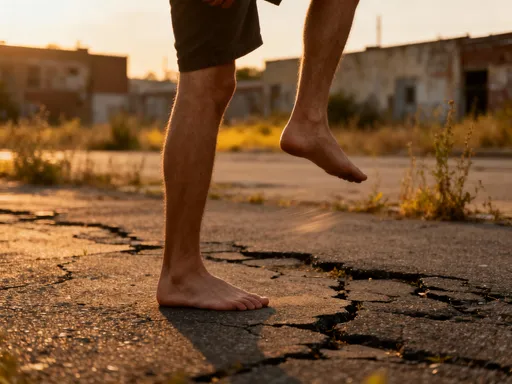
The first and most common is the single-leg stance test. Stand near a wall or sturdy surface for safety, then lift one foot off the ground and balance on the other. Keep your eyes open and arms at your sides. Time how long you can hold the position without wobbling excessively or putting your foot down. For most healthy adults in their 30s and 40s, holding for 30 seconds is achievable. In the 50s, 20 to 25 seconds is common. If you struggle to hold for 10 seconds, it may indicate a need for more balance-focused movement. Try both sides—differences between left and right can reveal imbalances worth addressing.
The second test is tandem walking—walking in a straight line heel-to-toe, as if on a tightrope. Take 10 steps this way in a clear space, arms out for balance if needed. Observe how steady you feel. Do you sway? Do your feet stray from the line? Difficulty with this task often reflects reduced coordination between vision, inner ear, and foot control. It’s a simple yet revealing way to assess dynamic balance, which is essential for real-world activities like navigating crowded sidewalks or climbing stairs.
The third test involves standing with your feet together and closing your eyes. This removes visual input, forcing the body to rely more on the inner ear and joint feedback. Hold for 30 seconds if possible. Many people find they sway significantly more or even need to step out for stability. This is normal, especially if balance hasn’t been trained, but it highlights how much we depend on sight to stay upright. If you feel unsteady, perform the test near a counter or chair for safety. These tests are not about perfection—they’re about awareness. Noticing where you struggle is the first step toward improvement.
Daily Moves That Actually Improve Balance
The beauty of balance training is that it doesn’t require a gym, special equipment, or hours of time. Simple, intentional movements woven into daily life can yield meaningful improvements. The key is consistency and attention to form. Unlike high-intensity workouts, balance exercises work best when done mindfully, with focus on control rather than speed or repetition.
One effective exercise is the heel-to-toe walk. Walk across a room placing one foot directly in front of the other, heel to toe, as in the tandem test. Do this for 20 steps, focusing on keeping your posture tall and your gaze forward. This movement challenges dynamic stability and trains the brain to coordinate leg movements with precision. For added benefit, try it backward or with your eyes closed for short distances—always in a safe, clear space.
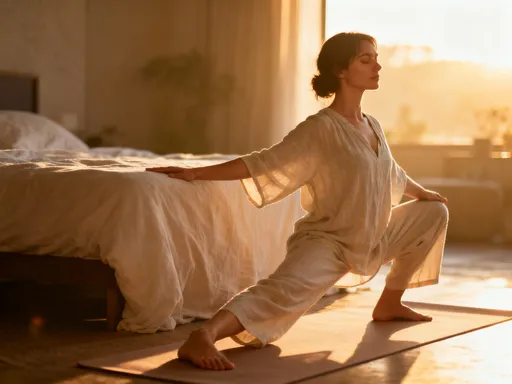
Weight shifts are another simple yet powerful practice. Stand with feet hip-width apart and slowly shift your weight to one side, lifting the opposite heel slightly off the ground. Hold for a few seconds, then shift to the other side. This strengthens the muscles around the ankles and hips while improving body awareness. To increase difficulty, try shifting forward and backward, or lifting one foot slightly while maintaining balance.
Standing on an unstable surface, such as a folded towel or a soft pillow, activates small stabilizing muscles in the feet and ankles that are often underused. Simply stand on the surface for 30 to 60 seconds at a time, first with eyes open, then with eyes closed. This challenges the proprioceptive system and enhances the body’s ability to adapt to uneven terrain. Even brushing your teeth on one leg counts as effective practice—turning routine moments into opportunities for improvement.
Slow, controlled squats are also beneficial. Lower yourself partway down as if sitting into a chair, then rise back up with deliberate control. Keep your feet flat and your knees aligned over your toes. This builds strength in the legs and core while reinforcing balance through movement. Aim for 8 to 10 repetitions, focusing on smooth, steady motion. These exercises don’t need to be done all at once—spreading them throughout the day makes them more sustainable and less daunting.
How Small Habits Create Big Gains Over Time
Balance training is not about dramatic transformations, but about gradual, cumulative progress. Within just a few weeks of consistent practice, many women report feeling more confident on stairs, more stable when carrying groceries, or less likely to grab for support when turning quickly. These small victories reflect real neurological and muscular adaptations. The brain becomes better at processing sensory input, muscles respond faster, and posture naturally improves.
Improved balance also enhances body awareness—a quiet but powerful shift. You begin to notice how you stand, how you move, and how your weight is distributed. This mindfulness can extend to other areas of health, encouraging better posture, more intentional movement, and even reduced tension in daily activities. Over time, this heightened awareness contributes to a greater sense of physical control and confidence.
From a preventive standpoint, maintaining balance reduces the risk of falls and related injuries, which become more serious with age. But even in midlife, minor stumbles can lead to sprains, bruises, or lost confidence in mobility. By strengthening stability now, women build a foundation for long-term independence and vitality. Studies have shown that regular balance training can improve reaction time, coordination, and gait stability—all of which support healthy aging. The benefits are not just physical; they include mental clarity, reduced anxiety about movement, and a renewed sense of capability.
Building a Sustainable Routine Without Overthinking It
The most effective balance practices are those that become part of daily life without requiring extra time or effort. The goal isn’t perfection, but consistency. Pairing balance exercises with existing habits—like standing on one leg while waiting for the kettle to boil or doing weight shifts during phone calls—makes them easier to maintain. These micro-moments of practice add up, reinforcing neural pathways and muscle memory over time.
Tracking progress doesn’t require a journal or app. Simply revisiting the self-tests every few weeks can show improvement. You might notice you can stand longer on one leg, walk more steadily heel-to-toe, or feel less wobble when closing your eyes. Celebrate these small wins—they reflect real change. If space is limited or mobility is a concern, seated balance exercises, such as lifting one leg at a time or shifting weight side to side, can still provide benefit.
It’s also important to adjust expectations. Some days will feel better than others, and that’s normal. Fatigue, stress, or minor illness can temporarily affect performance. The key is to keep showing up, even if it’s just for a minute. Over time, the effort compounds. Balance is not a quick fix or a one-time achievement. It’s a lifelong skill, a quiet form of strength that supports every other aspect of health. By giving it attention now, women in their 30s, 40s, and 50s invest in a future of greater stability, awareness, and independence. It’s not about avoiding falls—it’s about moving through life with confidence, control, and grace.