Stretching Without Stress: How I Stopped Hurting Myself and Finally Found Calm
You know that nagging tightness in your shoulders after sitting all day? I used to yank myself into stretches, thinking pain meant progress. Spoiler: it didn’t. I’d leave feeling worse, tense and frustrated. Turns out, how you stretch matters way more than how far. This isn’t just about flexibility—it’s about calming your nervous system, respecting your body’s signals, and ditching the “no pain, no gain” myth. Let me walk you through what actually works.
The Stretching Trap Everyone Falls Into
For years, many people—including myself—believed that effective stretching had to hurt. The idea was simple: if it doesn’t ache, you’re not doing enough. We’d twist into uncomfortable positions, push a little harder, and hold our breath as we tried to force our muscles to lengthen. But this aggressive approach often backfires. Instead of releasing tension, it triggers the body’s natural defense mechanisms. Muscles respond to force by tightening further, a reflex designed to protect against injury. This creates a cycle where stretching leads not to relief, but to more stiffness and discomfort.
The physical consequences are easy to overlook at first. A slight twinge after a session might seem normal. But over time, repeated forceful stretching can lead to micro-tears in muscle fibers, increased inflammation, and even joint strain. These small injuries accumulate, especially in areas already under stress—like the lower back after long hours of sitting or the hamstrings after a walk. What starts as an effort to feel better can become a source of chronic soreness. The body begins to associate stretching with discomfort, making it harder to relax into even gentle movements later on.
Equally important are the psychological effects. When stretching feels like a battle, it reinforces negative beliefs about the body—that it’s inflexible, broken, or difficult to manage. This mindset breeds frustration and impatience. Many women in their 30s to 55s, juggling work, family, and personal responsibilities, already carry emotional weight. Adding a punishing routine to their day can deepen stress rather than ease it. The irony is that the very practice meant to bring relief ends up amplifying tension, both physical and mental.
Common scenarios illustrate this trap. Imagine finishing a long day at a desk, shoulders hunched and stiff. The instinct might be to yank one arm across the chest for a quick shoulder stretch. But if the movement is too sudden or intense, the pectoral muscles contract defensively, creating resistance. The stretch feels sharp, even alarming, and the moment passes with little benefit. Similarly, reaching for the toes first thing in the morning—when muscles are cold and tight—can cause a jolt of pain that lingers. These experiences don’t just fail to help; they teach the body to guard itself more tightly the next time.
Why Your Nervous System Hates Forceful Stretching
To understand why gentle stretching works better, it helps to see the body not as a machine to be adjusted, but as a complex, responsive system. At the heart of this system is the nervous system, which constantly monitors for safety. When a stretch is too forceful or too fast, the brain interprets it as a potential threat. In response, it activates the stretch reflex—a protective mechanism that causes muscles to contract when they’re stretched beyond a certain point too quickly. This reflex is essential for preventing injury during sudden movements, like tripping or falling. But when it’s triggered during stretching, it works against flexibility.
Think of it like this: your muscles aren’t resisting because they’re stubborn—they’re reacting to what feels like danger. The deeper you push into a painful stretch, the more your nervous system clamps down, creating tension precisely where you’re trying to release it. This is why forcing a stretch often leads to that familiar feeling of hitting a wall, where no amount of effort produces more movement. The limitation isn’t just in the muscle tissue; it’s in the nervous system’s unwillingness to allow further lengthening.
In contrast, slow, gentle stretching sends a different message to the brain—one of safety and control. When a stretch is introduced gradually and held without strain, the nervous system begins to relax. It recognizes that there’s no threat, and over time, it allows the muscle to lengthen more freely. This process doesn’t happen overnight, but it builds trust between mind and body. The shift is subtle but powerful: instead of fighting your physiology, you’re working with it.
This mind-body connection is especially important for women managing stress, hormonal changes, or the physical demands of daily life. The nervous system doesn’t operate in isolation—it’s deeply influenced by emotions, sleep, and overall well-being. A tense mind often shows up as tight muscles. By approaching stretching as a calming practice rather than a performance, you engage the parasympathetic nervous system, the branch responsible for rest and recovery. This not only improves flexibility but also supports emotional balance and mental clarity.
Shifting Focus: From Performance to Awareness
The real transformation in stretching begins not with the body, but with the mind. Most of us have been conditioned to measure success by visible results—how far we can reach, how deep we can bend, how much we’ve improved since last week. But when it comes to flexibility, this goal-oriented mindset can be counterproductive. The body doesn’t respond well to pressure, and the more we focus on outcomes, the more we override the subtle signals that guide safe, effective movement.
Shifting from performance to awareness means prioritizing sensation over range of motion. Instead of asking, “How far can I go?” you begin to ask, “What am I feeling?” This small change in focus opens the door to a more mindful practice. You start to notice the quality of the stretch—the warmth in the muscle, the rhythm of your breath, the moment when tension begins to melt. These details matter because they tell you whether the stretch is helping or harming.
Mindfulness during stretching does more than improve physical outcomes; it also reduces mental fatigue. When you’re fully present in the moment, you’re not replaying a stressful conversation or worrying about tomorrow’s to-do list. The practice becomes a form of moving meditation. Studies have shown that mindful movement can lower anxiety levels and improve emotional regulation. For women who often feel pulled in multiple directions, this quiet time with the body can be a rare opportunity to reset.
Real-life examples show how this shift plays out. Consider someone who used to force herself into a forward fold every morning, frustrated that her hands never reached the floor. After learning to slow down and tune into sensation, she begins to notice that her hamstrings feel warm and alive, not strained. She stops comparing herself to how she looked five years ago and instead celebrates the fact that she feels more grounded. Over time, she finds that her range of motion actually improves—not because she’s pushing harder, but because she’s listening more closely.
The Hidden Link Between Stretching and Stress Relief
One of the most surprising benefits of gentle stretching is its impact on stress levels. At first glance, stretching might seem like a purely physical activity—something you do to loosen tight muscles or improve posture. But the truth is, it has a profound effect on the nervous system, which governs both physical and emotional states. When you move slowly and breathe deeply, you activate the parasympathetic nervous system, the same system that helps you relax after a meal or fall asleep at night.
This shift from “fight or flight” to “rest and digest” is essential for long-term health. Chronic stress keeps the body in a heightened state, raising cortisol levels, increasing muscle tension, and disrupting sleep. Gentle stretching interrupts this cycle by sending signals of safety to the brain. As the muscles begin to release, the mind follows. This is why many people report feeling calmer, clearer, and more centered after even a short stretching session.
Everyday situations highlight this connection. Imagine sitting in traffic, late for an appointment, your jaw clenched and shoulders tight. If you take a moment to roll your neck slowly, drop your shoulders, and breathe into your sides, you might notice a shift. The stress doesn’t disappear, but your body’s reaction to it softens. Similarly, after a long workday spent in front of a screen, a few minutes of mindful stretching can ease the mental fog and physical stiffness that often accompany screen fatigue.
The key is consistency and intention. Stretching doesn’t have to be long or complicated to be effective. Even five minutes of focused movement can reset the nervous system. The goal isn’t to achieve a perfect pose, but to create a moment of calm in an otherwise busy day. Over time, these small pauses add up, building resilience against the daily pressures of life. And because the body and mind are so closely linked, physical release becomes emotional release.
Practical Methods That Actually Work
Not all stretching techniques are created equal. After years of trial and error, certain methods have proven more effective than others—especially when the goal is relaxation and sustainable flexibility. Three evidence-based approaches stand out: static stretching with breath synchronization, proprioceptive neuromuscular facilitation (PNF) cues, and mindful mobility flows. Each one works with the body’s natural physiology rather than against it.
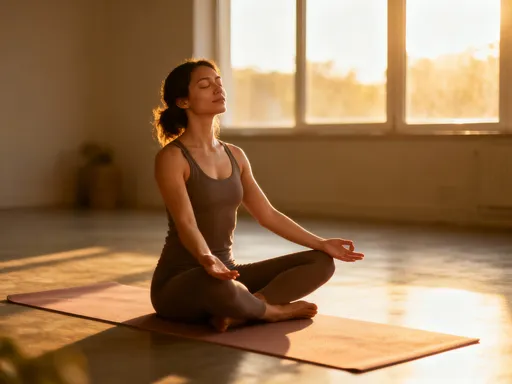
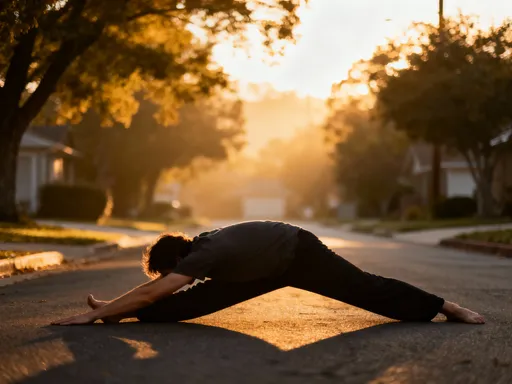
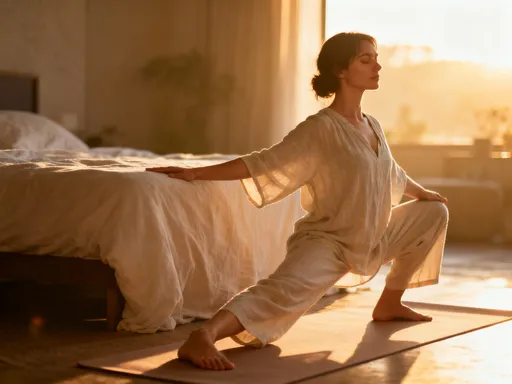
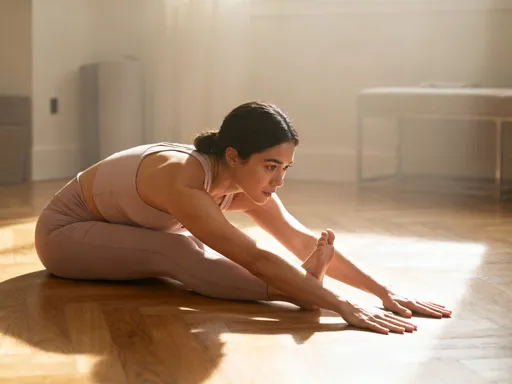
Static stretching, when done correctly, is one of the most accessible tools. The key is to move slowly into a position—such as a seated forward bend or a gentle chest opener—and hold it for 30 to 60 seconds. During this time, focus on deep, even breathing. Inhale to create space, exhale to gently deepen the stretch. The stretch should never be painful; a mild sensation of tension is enough. Over time, this sustained, relaxed approach signals safety to the nervous system, allowing muscles to lengthen without resistance.
PNF cues, while often used in clinical settings, can be adapted for home practice. One simple version involves gentle contraction. For example, in a hamstring stretch, you might press the back of your leg lightly into your hands for 5 to 10 seconds—without moving—then relax and ease into the stretch further. This technique works by temporarily activating the muscle, which helps reset the nervous system’s perception of its length. It’s not about force; it’s about communication between brain and muscle.
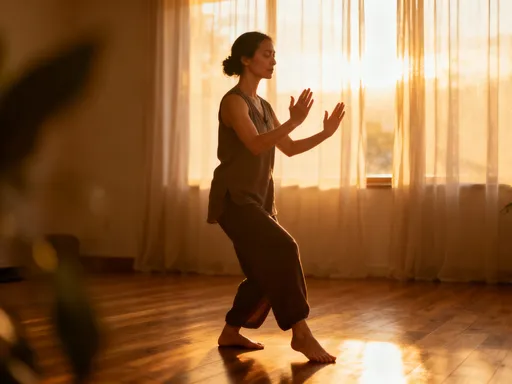
Mindful mobility flows are another powerful option. These are slow, connected movements—like rolling the shoulders, circling the hips, or flowing from a seated position to a gentle twist. Unlike static holds, they keep the body moving while maintaining awareness. This dynamic approach improves circulation, warms the tissues, and enhances coordination. It’s especially helpful in the morning or after sitting for long periods, when the body needs to transition from stillness to movement.
All of these methods share common principles: they emphasize timing, pacing, and breath. Holding a stretch for at least 30 seconds gives the nervous system time to respond. Moving slowly prevents triggering the stretch reflex. And using the breath as a guide helps maintain a calm, focused state. The result is not just greater flexibility, but a deeper sense of well-being.
How to Build a Sustainable Routine (Without Burning Out)
Knowing what works is one thing; sticking with it is another. Many people start stretching with enthusiasm, only to lose momentum within weeks. The reasons are familiar: lack of time, inconsistent energy, or the belief that a routine must be long and intense to matter. But sustainability comes not from duration or difficulty, but from integration. The most effective stretching habits are woven into daily life, not added on as another task.
One strategy is to use micro-sessions—short bursts of movement that take two to five minutes. These can happen at natural transition points: after waking up, before bed, during a work break, or after a walk. For example, a few seated spinal twists while waiting for dinner to cook, or a gentle neck roll while brushing your teeth. These moments don’t require special equipment or extra time. They simply invite awareness into everyday activities.
Habit stacking is another useful technique. This means linking a new behavior to an existing one. If you already have a morning coffee ritual, try doing a few shoulder rolls or side stretches while the kettle boils. If you watch TV at night, use commercial breaks to stretch your legs or roll your feet. Over time, these small actions become automatic, requiring less willpower to maintain.
Environment also plays a role. Keeping a yoga mat in sight, or placing a reminder note on the bathroom mirror, can serve as subtle cues. The goal isn’t perfection—it’s consistency. Even on busy days, a single minute of mindful breathing and gentle movement can make a difference. The message to the body is clear: you are worth this care. And because the practice is low-pressure, it’s easier to return to, day after day.
Beyond Flexibility: Long-Term Benefits for Body and Mind
The rewards of gentle, mindful stretching extend far beyond increased range of motion. Over time, regular practice supports joint health by improving lubrication and reducing stiffness. It enhances posture by releasing chronic tension in the neck, shoulders, and lower back—areas often strained by daily habits like sitting or carrying children. Better alignment reduces wear and tear on the body, lowering the risk of discomfort over time.
Sleep quality often improves as well. A body that’s physically relaxed is more likely to transition smoothly into rest. Many women report falling asleep faster and waking with less morning stiffness after incorporating evening stretches. Emotional regulation also strengthens. The ability to calm the nervous system on demand becomes a valuable skill, especially during times of change or uncertainty.
Perhaps the most meaningful shift is in how stretching is perceived. It stops being a chore or a test of discipline and becomes an act of self-respect. True progress isn’t measured by how far you can reach, but by how good you feel. The goal is not to conquer your body, but to listen to it. When flexibility arises, it’s not because you forced it, but because you created the conditions for it to emerge naturally.
In this way, stretching becomes more than a physical practice—it becomes a metaphor for living. It teaches patience, presence, and the value of gentle effort. For women navigating the complexities of midlife, it offers a quiet space to reconnect with themselves. And in a world that often demands more, faster, harder, the simple act of slowing down to stretch can be a radical form of care. The body responds not to force, but to kindness. And in that kindness, real change begins.