Flexibility Feels Free: My Simple Routine to Move Better Every Day
Living with stiff joints and tight muscles used to be my normal—until I discovered how simple daily tweaks could transform my body’s flexibility. It’s not about intense stretches or hour-long workouts. It’s about consistent, gentle care that adds up. I started small, listened to my body, and noticed real changes. Simple movements in the morning, a few mindful breaths during the day, and a quiet stretch before bed made a difference I could feel. This is what helped me, and it might help you too. Flexibility isn’t just about touching your toes; it’s about moving through life with ease, comfort, and confidence.
The Hidden Cost of Stiffness
Stiffness often creeps in quietly, accepted as just part of aging or daily life. Many women in their 30s to 50s begin to notice it—difficulty bending to tie shoes, reaching behind the back to fasten a bra, or getting up from a chair without using their hands. These small struggles are not trivial. They signal a gradual loss of range of motion, which, if left unaddressed, can lead to more serious mobility challenges over time. The body was designed to move, and when joints and muscles become restricted, everyday activities become harder, less fluid, and sometimes painful.
What many don’t realize is that poor flexibility contributes to more than discomfort. It increases the risk of falls, strains, and joint injuries. Tight hamstrings, for example, can pull on the lower back, leading to chronic pain. Similarly, stiff shoulders may limit arm movement, making tasks like lifting groceries or reaching for high shelves more difficult. Over time, this reduced mobility can affect independence and quality of life, especially as we age. The good news is that flexibility is not fixed—it can be improved at any stage with the right approach.
Common signs of inflexibility include a feeling of tightness in the hips, calves, or neck; a noticeable hesitation before bending or twisting; and discomfort after sitting for long periods. These symptoms are not just inconveniences—they are early warnings. Ignoring them may lead to compensatory movements, where other parts of the body take on extra strain, increasing the likelihood of overuse injuries. Recognizing these signs is the first step toward reclaiming ease of movement and preventing long-term physical limitations.
Why Flexibility Isn’t Just for Athletes
There’s a common misconception that flexibility is only important for dancers, gymnasts, or fitness enthusiasts. In reality, it is a vital component of health for everyone, especially women managing busy households, long workdays, or the physical changes that come with age. Flexible muscles and joints support better posture, reduce strain on the spine, and improve balance—all of which contribute to safer, more comfortable daily living. When muscles are supple, they work more efficiently, allowing the body to move with less effort and greater control.
Scientifically, flexibility refers to the ability of muscles and connective tissues to lengthen safely through a full range of motion. As we age, collagen in our tendons and ligaments becomes stiffer, and muscle fibers lose elasticity. However, research shows that regular, gentle movement can counteract these changes. The body responds positively to consistent motion, even in small doses. This means that starting a flexibility practice at 40, 50, or beyond is not only possible—it’s highly effective.
Beyond physical function, flexibility supports emotional well-being. When the body feels tight, it can contribute to a sense of tension or fatigue. In contrast, moving freely often brings a feeling of lightness and release. This mind-body connection is powerful. Women who incorporate daily flexibility routines often report not only improved physical comfort but also a greater sense of calm and presence. Flexibility, in this way, becomes more than physical—it becomes a form of self-care that nurtures both body and spirit.
Small Moves, Big Results
The most effective flexibility routines are not the ones that leave you sore or breathless. They are the ones you can do consistently, without pressure or perfection. The key is not intensity, but regularity. Micro-stretching—short, simple movements done daily—can produce significant improvements over time. These small efforts add up, like saving pennies in a jar. Individually, they may seem minor, but together, they create real change.
One approach is to integrate three brief practices into your day: morning joint mobility, midday spine release, and evening leg relaxation. Each takes less than five minutes and requires no special equipment. In the morning, gentle joint circles—rotating wrists, ankles, and shoulders—wake up the body and improve circulation. This small ritual prepares the muscles and joints for the day ahead, reducing stiffness and increasing alertness. It’s a quiet way to begin the day with intention and care.
During the midday, especially if you’ve been sitting at a desk or standing in the kitchen, a simple spine release can make a noticeable difference. Standing with feet shoulder-width apart, slowly roll the head forward, letting the neck and upper back relax. Then, gently arch the spine upward, like a cat stretching, and return to neutral. This movement helps undo the effects of slouching and relieves tension in the back and shoulders. Paired with slow, deep breaths, it can also calm the nervous system, offering a moment of pause in a busy schedule.
In the evening, a few minutes of leg relaxation can ease the day’s accumulated tension. Lying on your back with legs extended, slowly bend one knee and draw it toward your chest. Hold gently, feeling a stretch in the hip and lower back. Repeat on the other side. This simple action helps release tight hip flexors, which often become shortened from prolonged sitting. Over time, this small habit can improve posture, reduce lower back discomfort, and promote better sleep by calming the body before rest.
Listening to Your Body’s Signals
One of the most important aspects of a safe and effective flexibility practice is learning to listen to your body. Movement should never cause sharp pain or discomfort. The goal is not to push through resistance, but to work with it gently. A healthy stretch feels like a mild pull, not a burning or stabbing sensation. This distinction is crucial. When pain occurs, it is the body’s way of saying, “Slow down” or “This is too much.” Respecting these signals prevents injury and builds trust between mind and body.
Breath plays a vital role in this process. When we hold our breath during stretching, muscles tend to tense up, making the movement less effective and more stressful. In contrast, slow, steady breathing signals the nervous system to relax, allowing muscles to release more easily. A simple rule is to inhale as you prepare, and exhale as you ease into the stretch. This rhythmic pattern supports deeper, safer movement and enhances the overall experience.
Pace and patience are equally important. Flexibility is not a race. Some days, the body will feel looser; other days, it may feel tighter—and that’s normal. Progress is not always linear. What matters is showing up with kindness, not judgment. Women who approach flexibility with curiosity and compassion often find they make steady, lasting improvements. They learn to celebrate small victories, like being able to reach a little further or stand a little taller, without comparing themselves to others or striving for perfection.
How Daily Habits Shape Long-Term Mobility
Flexibility is not just about the time spent stretching—it’s also shaped by daily habits. Hydration, posture, and sleep all play a role in how supple and responsive the body feels. Muscles are made up of about 75% water, and when dehydration occurs, tissues become less pliable and more prone to stiffness. Drinking enough water throughout the day helps maintain elasticity in muscles and connective tissues, making movement easier and more comfortable.
Posture is another critical factor. Many women spend hours sitting—at desks, in cars, or on sofas—often in positions that shorten hip flexors, round the shoulders, and strain the neck. Over time, these postural habits become ingrained, leading to chronic tightness. Simple adjustments can help counteract this. Sitting on a cushion to tilt the pelvis forward, taking short standing breaks every hour, or using a supportive chair can make a meaningful difference. Awareness is the first step; small corrections throughout the day add up to better alignment and improved mobility.
Sleep is equally important. During rest, the body repairs tissues, rebalances hormones, and resets the nervous system. Poor sleep can increase muscle tension and reduce recovery time, making stiffness worse. Prioritizing quality sleep—by maintaining a regular bedtime, reducing screen time before bed, and creating a calm sleep environment—supports overall physical resilience. When the body is well-rested, it responds more positively to movement and recovers more efficiently from daily strain.
Together, these habits form a foundation for long-term flexibility. They work in harmony with stretching routines, enhancing their effectiveness. A woman who drinks water, moves regularly, sits with awareness, and rests well is giving her body the support it needs to stay mobile and comfortable for years to come. Flexibility, then, is not just a physical goal—it’s a lifestyle.
A Realistic 7-Day Starter Plan
Starting a new routine can feel overwhelming, especially when time is limited. The best approach is to begin with simplicity and consistency. This 7-day plan is designed to introduce flexibility practices gradually, with no pressure to perform or achieve. Each day adds one small habit, building confidence and familiarity without strain.
Day 1 focuses on ankle circles. While sitting or lying down, slowly rotate each ankle in a circular motion—10 times clockwise, 10 times counterclockwise. This gentle movement improves circulation and joint mobility, especially helpful after long periods of sitting. Day 2 adds wrist circles, using the same pattern. These small actions prepare the body for more coordinated movement and reduce stiffness in the hands and forearms.
Day 3 introduces neck rolls. Standing or sitting comfortably, slowly tilt the head to the right, bringing the ear toward the shoulder. Gently roll the head forward, to the left, and back to center. Repeat 3–5 times in each direction. This movement releases tension in the neck and upper shoulders, common areas of tightness for women who carry stress or spend time on devices.
Day 4 adds shoulder rolls. Lift the shoulders up toward the ears, roll them back and down in a circular motion, then reverse. Repeat 10 times. This action opens the chest, improves posture, and counteracts the forward hunch that often develops from daily tasks. Day 5 introduces seated spinal twists. Sitting on a chair, place the right hand on the left knee and the left hand behind the seat. Gently twist to the left, keeping the spine tall. Hold for a few breaths, then switch sides. This movement enhances spinal mobility and aids digestion.
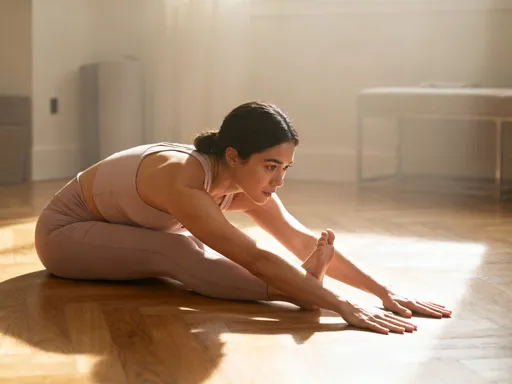
Day 6 focuses on hip circles. Standing with hands on hips, gently rotate the hips in a circular motion—5 times in each direction. This movement loosens the hip joints, which are often tight from sitting, and improves balance. Day 7 brings it all together with a 5-minute sequence: ankle circles, wrist circles, neck rolls, shoulder rolls, and a gentle forward fold (bending at the hips, letting the upper body hang loosely). This short routine can become a daily ritual, a moment of care in a busy life.
The goal is not perfection, but presence. Each movement is an act of kindness toward the body. Over time, these small practices build strength, awareness, and freedom of motion. Women who follow this plan often find that by the end of the week, they feel looser, more alert, and more connected to their bodies.
From Stiff to Smooth: What Changed for Me—and Can for You
When I began this journey, I didn’t expect much. I thought flexibility was something you either had or didn’t, and I assumed I had lost mine for good. But by committing to small, daily movements, I began to notice changes—not overnight, but steadily. I could bend to pick up a dropped spoon without wincing. I could reach into the back seat of the car without twisting awkwardly. Simple things, yes, but they added up to a new sense of freedom.
What surprised me most was the shift in how I felt in my body. I became more aware of tension as it built up, and I learned to release it before it became pain. I stood taller, moved with more ease, and felt more confident in my physical abilities. This wasn’t about achieving a certain look or performance—it was about reclaiming comfort and independence. The routine became a form of daily gratitude, a way to honor the body that carries me through each day.
Flexibility is not a destination. It is a lifelong practice, shaped by patience, consistency, and self-compassion. It is not about how far you can stretch, but how well you listen. It is not about comparison, but about connection. For women navigating the demands of family, work, and personal well-being, this kind of care is not a luxury—it is essential.
If you’re reading this and feeling stiff, unsure where to start, know this: you don’t need special equipment, hours of time, or perfect conditions. You just need a few minutes, a willingness to begin, and a gentle hand on your own journey. Start where you are. Use what you have. Move with kindness. Over time, you may find, as I did, that flexibility doesn’t just change how your body moves—it changes how you feel in your life. And that, truly, is freedom.