How I Wove Yoga and Mindfulness into My Daily Routine—And Changed Everything
Ever feel like your day is running you instead of the other way around? I did—until I started blending simple yoga moves and mindfulness moments into my everyday life. No fancy gear, no hour-long sessions. Just small, doable habits that quietly transformed my energy, focus, and calm. This isn’t about perfection; it’s about progress. Let me show you how these practices, rooted in ancient wisdom and supported by modern science, can fit seamlessly into your real life.
The Burnout Breakthrough: Why Modern Life Craves Balance
In today’s fast-paced world, many women between 30 and 55 find themselves juggling work, family, household responsibilities, and personal obligations—all while trying to maintain their health. It’s no surprise that stress has become a constant companion. According to the American Psychological Association, more than 75% of adults report experiencing physical or psychological symptoms of stress in the past month. The body, designed for balance, begins to suffer when this pressure becomes chronic. Sleep becomes restless, digestion slows, and mental fog sets in. These aren’t just inconveniences—they’re signs that the body’s internal systems are out of alignment.
Traditional Chinese Medicine (TCM) describes this imbalance as a disruption in the flow of Qi, the vital energy that travels through the body along meridians. When Qi becomes blocked or excessive in certain areas, it can manifest as fatigue, irritability, or even digestive discomfort. Modern science echoes this understanding by identifying how prolonged stress activates the sympathetic nervous system, keeping the body in a near-constant state of “fight or flight.” This chronic arousal increases cortisol levels, suppresses immune function, and can contribute to long-term health concerns. The need for balance is not a luxury—it’s a biological necessity.
Yoga and mindfulness offer practical, evidence-based solutions. Unlike extreme lifestyle changes that demand hours of commitment, these practices meet people where they are. They don’t require a complete overhaul of daily routines but instead invite gentle shifts in how we move, breathe, and pay attention. Research published in the Journal of Clinical Psychology shows that regular mindfulness practice can reduce symptoms of anxiety and depression by up to 30%. Similarly, a 2017 review in Frontiers in Immunology found that yoga can lower inflammation markers linked to chronic stress. These aren’t quick fixes—they’re sustainable tools that support long-term well-being.
What makes yoga and mindfulness especially valuable is their accessibility. They don’t demand special skills or expensive equipment. A quiet corner, comfortable clothing, and a willingness to pause are enough. The goal isn’t to escape reality but to engage with it more clearly. By cultivating awareness, women can begin to recognize the early signs of stress—tight shoulders, shallow breathing, racing thoughts—and respond with intention rather than reaction. This shift, small at first, builds resilience over time.
Rooted in Wisdom: The Overlapping Truths of TCM and Mindful Movement
At first glance, Traditional Chinese Medicine and modern yoga might seem worlds apart—one rooted in centuries-old Eastern philosophy, the other often seen as a physical fitness trend. Yet when examined closely, they share a profound understanding of the mind-body connection. Both systems recognize that physical health is deeply intertwined with emotional and mental states. In TCM, emotions like anger, worry, and fear are believed to affect specific organs—anger impacts the liver, worry affects the spleen, and fear influences the kidneys. These connections are not mystical but reflect a holistic model of health that modern neuroscience increasingly supports.
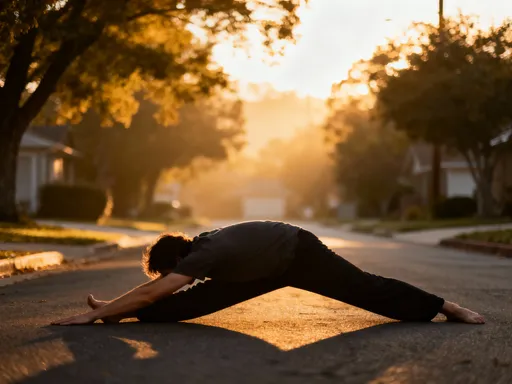
The concept of meridians in TCM parallels the idea of energy channels in yoga, known as nadis. Both describe invisible pathways through which vital energy flows. When these pathways are clear, the body functions optimally. When they are blocked—due to stress, poor posture, or emotional stagnation—discomfort arises. Yoga postures, or asanas, are designed to stretch and open these channels, promoting circulation and release. Simple poses like forward folds or gentle twists can stimulate digestion, ease tension in the back, and encourage deeper breathing—all of which support the smooth flow of energy.
Mindfulness, the practice of paying attention to the present moment without judgment, complements this physical work by calming the nervous system and regulating emotional states. In TCM, excessive internal “heat”—often linked to frustration, anxiety, or overwork—is seen as a sign of imbalance. Mindfulness helps cultivate yin energy, which is cooling, receptive, and restorative. By slowing down and tuning in, women can begin to regulate their internal climate, reducing agitation and promoting emotional stability.
Scientific studies back this integration. A 2018 study in the journal Psychosomatic Medicine found that mindfulness-based stress reduction (MBSR) programs significantly improved symptoms in individuals with chronic pain and emotional distress. Another study in the Journal of Alternative and Complementary Medicine showed that participants who practiced yoga regularly reported better sleep quality and reduced anxiety levels. These benefits aren’t limited to those with diagnosed conditions—they extend to anyone navigating the daily pressures of modern life. The convergence of ancient insight and modern research makes a compelling case for incorporating both movement and awareness into daily routines.
Morning Moves: Starting the Day with Intention, Not Panic
How we begin the day often sets the tone for everything that follows. For many, mornings are a rush—alarm clocks, breakfasts, school drop-offs, and work emails all before 9 a.m. This hurried start activates the stress response early, making it harder to stay calm later. A short, intentional yoga and mindfulness routine can shift this pattern. Just 5 to 7 minutes of gentle movement and breath awareness can signal to the body that the day doesn’t have to be chaotic.
A simple sequence might begin with lying on the back or sitting on the edge of the bed. Start with cat-cow stretches—inhaling as the spine arches downward, exhaling as it rounds upward. This warms up the spine and connects breath to movement. Follow with spinal rolls: gently rocking the knees side to side while lying down, allowing the lower back to release. These movements stimulate the parasympathetic nervous system, which governs rest and digestion. Activating this system early helps counteract the stress response and promotes a sense of groundedness.
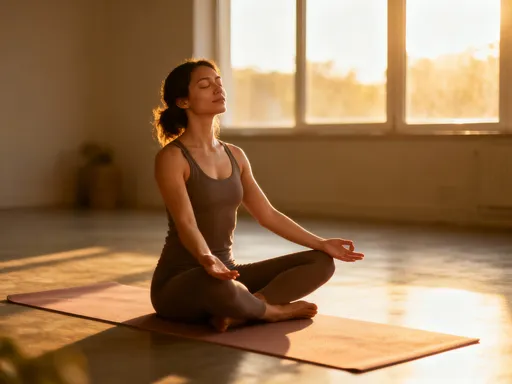
After movement, shift into breath awareness. Place one hand on the belly and inhale deeply through the nose, feeling the abdomen rise. Exhale slowly, allowing the belly to fall. Repeat for five to ten cycles. This diaphragmatic breathing lowers heart rate and signals safety to the brain. Finish with a brief grounding meditation: close the eyes and bring attention to the sensations of the body—the weight of the limbs, the contact with the floor or bed, the rhythm of the breath. If thoughts arise, gently return to the body without judgment.
Practical tips make this routine sustainable. Keep a yoga mat beside the bed as a visual cue. Pair the practice with a morning ritual, like brewing tea or listening to a soft chime. The key is consistency, not duration. Even on busy days, doing just one stretch or three deep breaths counts. Over time, this morning anchor becomes a non-negotiable act of self-respect, a quiet promise to begin the day with care rather than panic.
Mindful Transitions: Weaving Awareness into Everyday Moments
One of the greatest misconceptions about mindfulness is that it requires long periods of stillness or meditation. In reality, mindfulness can be practiced in the spaces between activities—those brief transitions often filled with autopilot thinking. The goal isn’t to add more to the schedule but to infuse existing moments with awareness. These micro-practices, though small, create lasting changes in the brain’s neural pathways, enhancing emotional regulation and focus.
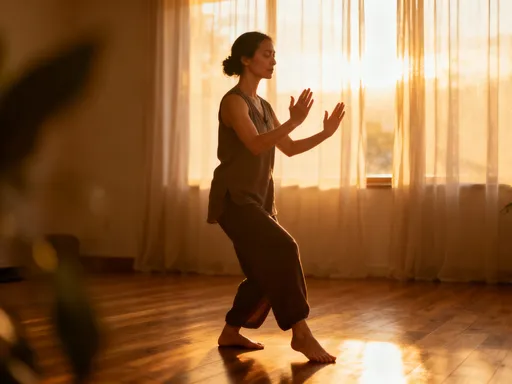
Consider the act of walking. Whether moving from the car to the office, from room to room, or down the grocery aisle, walking can become a mindfulness exercise. Instead of rushing ahead with thoughts about the next task, bring attention to the sensation of each step—the lifting of the foot, the shift of weight, the contact with the ground. This simple act interrupts the cycle of mental chatter and grounds the mind in the present. Research from Harvard Medical School suggests that mindful walking can reduce rumination, a common contributor to anxiety and depression.
Another powerful transition point is the moment before answering a phone call or text. Instead of reacting immediately, pause. Take one conscious breath. Notice the body’s posture, the breath’s rhythm, the intention behind the response. This brief pause creates space between stimulus and reaction, allowing for a more thoughtful reply. Similarly, mindful eating—paying full attention to the taste, texture, and smell of food—can transform meals into moments of nourishment beyond calories. Chewing slowly, putting the fork down between bites, and avoiding screens during meals supports better digestion and satisfaction.
These practices are not about achieving perfection but about building awareness. Over time, they reduce the tendency to operate on autopilot, where stress accumulates unnoticed. A study published in Mindfulness journal found that participants who practiced brief, informal mindfulness exercises throughout the day reported higher levels of well-being and lower stress compared to those who only meditated formally. The message is clear: consistency in small moments matters more than duration in isolated sessions. By turning everyday actions into opportunities for presence, women can reclaim their attention and energy.
Evening Unwind: Releasing the Day’s Load with Gentle Yoga
Just as the morning sets the tone for the day, the evening shapes the quality of rest. Yet many women end their days still mentally engaged—reviewing tasks, worrying about tomorrow, or scrolling through screens. This mental activity keeps the nervous system alert, making it harder to fall asleep and stay asleep. A gentle yoga sequence before bed can serve as a physical and mental decompression, helping the body transition from activity to rest.
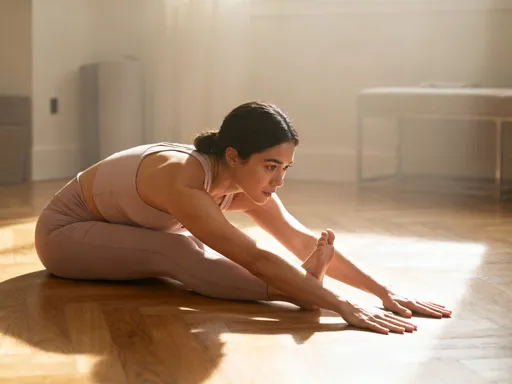
A calming routine might include child’s pose, a deeply relaxing forward bend that gently stretches the back and hips. From there, move into legs-up-the-wall pose—lying on the floor with legs extended vertically against a wall. This inversion encourages blood flow back toward the heart, reduces swelling in the legs, and activates the parasympathetic nervous system. Follow with a seated forward bend, allowing the spine to lengthen and the breath to deepen. Each pose should be held for 1 to 3 minutes, with attention on slow, steady breathing.
Finish with diaphragmatic breathing while lying on the back, hands resting on the belly. Inhale for a count of four, hold briefly, exhale for a count of six. This extended exhale further calms the nervous system, lowering cortisol and heart rate. The physiological effects of these practices prepare the body for deep, restorative sleep. A 2020 study in Explore: The Journal of Science and Healing found that women who practiced a 20-minute bedtime yoga routine for eight weeks reported significant improvements in sleep quality and reductions in insomnia symptoms.
Enhance the ritual by creating a screen-free environment. Dim the lights, light a candle, or play soft instrumental music. The sensory cues signal to the brain that it’s time to wind down. Avoid stimulating conversations or work-related tasks during this window. This evening practice isn’t just about physical relaxation—it’s a symbolic act of letting go, a daily release of the day’s burdens. Over time, it becomes a cherished part of self-care, a quiet promise to honor the body’s need for rest.
Building the Habit: Making It Stick Without the Struggle
Starting a new practice is often easier than maintaining it. Many women begin with enthusiasm but lose momentum when life gets busy or motivation wanes. The key to lasting change isn’t willpower—it’s strategy. One of the most effective methods is habit-stacking, a concept popularized by behavioral scientist James Clear. This involves attaching a new behavior to an existing one. For example, after brushing your teeth in the morning, roll out your mat for five minutes of stretching. Or after pouring your evening tea, sit quietly and take ten mindful breaths.
Another common obstacle is self-judgment. Women may feel they’re “not doing it right” if they miss a day or can’t complete a full session. It’s important to reframe this mindset. Progress in mindfulness and yoga isn’t measured by minutes logged but by shifts in awareness and resilience. Did you notice when you were stressed today? Did you take one breath before reacting? These are victories. Tracking through feeling states—“I felt calmer,” “I slept better,” “I was more patient”—builds a positive feedback loop that reinforces the habit.
Environmental cues also play a crucial role. Keep your yoga mat visible, perhaps rolled up in the bedroom or living room. Wear comfortable clothes that make movement easy. Use a gentle alarm or chime as a reminder, not a demand. These small supports reduce friction and make the practice more inviting. Research from the European Journal of Social Psychology suggests that it takes an average of 66 days for a new behavior to become automatic—far longer than the often-cited 21 days. Patience and self-compassion are essential.
Finally, community can strengthen commitment. While formal classes aren’t necessary, sharing the journey with a friend or joining an online group can provide encouragement. Knowing someone else is also practicing creates accountability and connection. The goal isn’t perfection but presence—showing up, even in small ways, day after day.
When Life Gets Loud: Staying Consistent Through Change
Life is unpredictable. There will be days when the routine is disrupted—sick children, work emergencies, travel, or emotional upheaval. During these times, the temptation is to abandon the practice altogether. But it’s precisely in these moments that mindfulness and gentle movement are most needed. The good news is that these practices are flexible by design. They can be adapted to fit any circumstance, even when time and energy are limited.
On overwhelming days, scale back. Instead of a 10-minute routine, do one minute of breathwork while sitting in a parked car. Focus on three slow inhales and exhales, feeling the chest rise and fall. This brief pause can reset the nervous system and restore a sense of control. Use audio cues—short guided meditations from trusted apps or recordings—to support focus without requiring mental effort. Even listening to a 5-minute body scan while lying down counts as practice.
Journaling can also extend the benefits of mindfulness. After a brief meditation or yoga session, jot down one insight or feeling. This doesn’t need to be lengthy—just a sentence or two. Over time, these notes reveal patterns and progress, reinforcing the value of the practice. During emotional stress, mindful journaling helps process feelings without judgment, creating space for clarity and healing.
The essence of sustainability is flexibility. Letting go of rigid expectations allows the practice to evolve with life’s rhythms. Missing a day doesn’t mean failure—it means you’re human. What matters is returning, again and again, with kindness. Each small act of presence builds resilience, like a muscle strengthened through use. Over time, these moments accumulate, creating a foundation of calm that supports every aspect of life.
Conclusion
These small acts of presence aren’t just self-care—they’re a quiet rebellion against burnout culture. By integrating yoga and mindfulness into daily rhythms, we honor our body’s need for balance, drawing from timeless wisdom to meet modern demands. It’s not about doing more; it’s about being present with what already is—and letting that change everything. The journey isn’t linear, and progress isn’t always visible. But beneath the surface, shifts are happening—calmer reactions, deeper breaths, more restful sleep, greater clarity. These changes, though subtle, ripple outward, touching every relationship, decision, and moment of the day. You don’t need hours, perfect conditions, or special skills. You just need the willingness to begin, again and again, with kindness. And in that willingness, transformation begins.